Turkestan in detail: medieval ceramics go on show in Nesvizh
Twelfth-century tiles, fourteenth-century glaze and two models of the Yasawi mausoleum feature in “The Secret of the Azure Glaze”.
Digital media shaped byintellectual optimism.
KOD
Central Asia, heritage and contemporary identity.
Twelfth-century tiles, fourteenth-century glaze and two models of the Yasawi mausoleum feature in “The Secret of the Azure Glaze”.
Kazakhstan appears 13th in Asia Nexus’s list of Asian countries by World Heritage site count. Five sacred complexes form its seventh property.
As UNESCO’s underwater heritage convention turns 25, the submerged Roman town of Baiae offers a way to understand preservation in place.
Wiki Loves Monuments participants documented Nepal’s temples, squares and architectural details. The photographs can be reused under open licences.
Wood, glass, metal and bee wings: the Renwick Gallery explores how craft preserves memory and challenges familiar ideas about materials.
Objects from Kazakhstan’s National Central Museum bring the everyday life and craft traditions of the steppe into focus.
Coins, banknotes and minting tools tell a history of trade and exchange.
More than 70 ancient instruments and ritual objects reveal connections between music, bronze craftsmanship and ideas about the world in China's early kingdoms.
On 7 November, two artists will make felt panels side by side at the Almaty Museum of Arts, giving visitors a chance to compare their techniques as they work.
The Arabic Language Academy presented the next phase of a reference work spanning poetic metre, Islamic scholarship and astronomy.
The 2027 gathering will explore how culture, crafts and shared knowledge support cities and their communities.
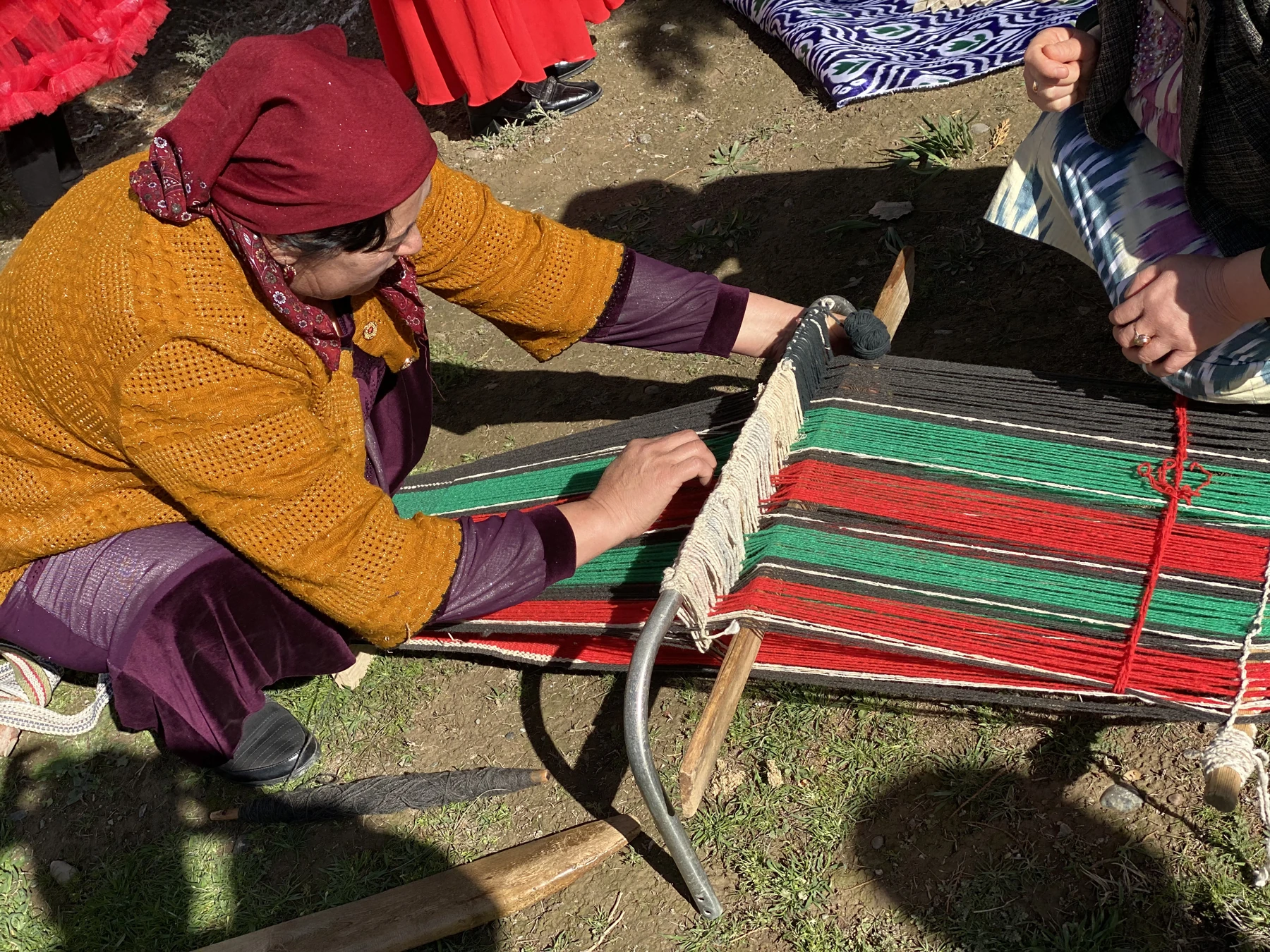
Handweaving in Uzbekistan. Archive photograph, 17 March 2024, illustrating living heritage. The people pictured have not been identified as participants in the UNESCO projects. Image: Shahriyor06 / Wikimedia Commons · CC BY-SA 4.0
Three teams have begun a year of work, including a digital map and new ways to explore crafts.

Traditional headwear on display during the fifth gathering of Turkic-world museums in Andijan. Image: TURKSOY
The exhibition accompanied a gathering of around 50 museum professionals focused on traditional dress and cultural heritage.
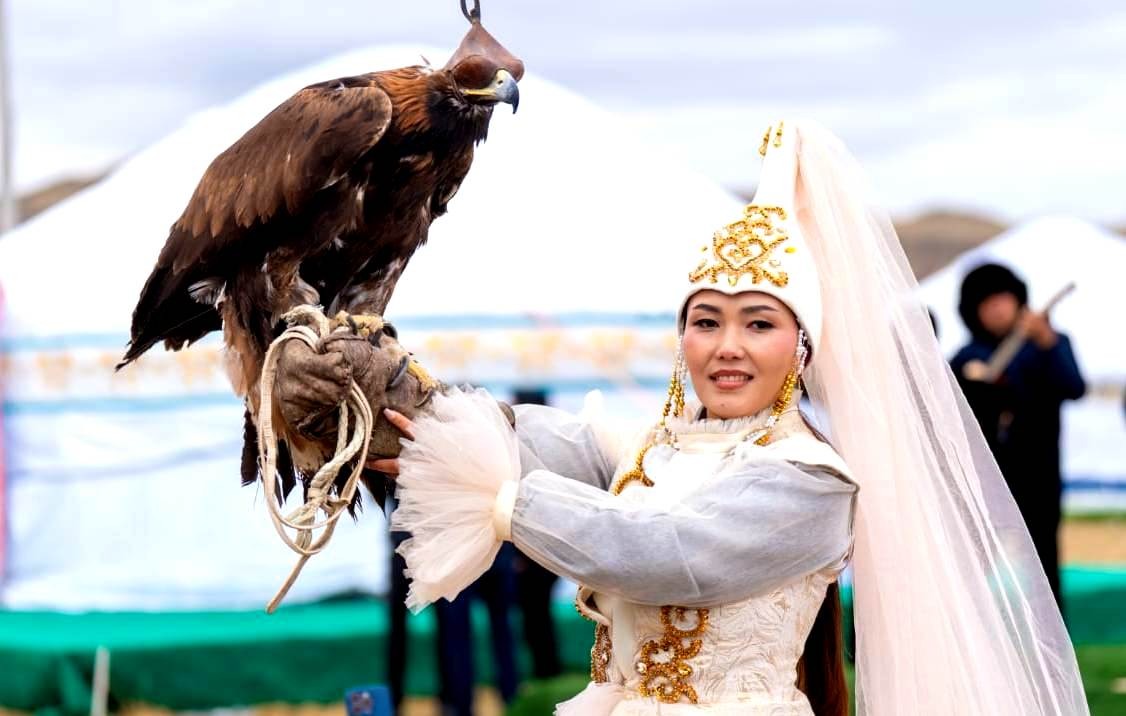
Image: Press service of the East Kazakhstan regional administration
Eagle hunters and falconers gathered in Bozanbay for Shygys Salburyny. Serikbolsyn Zhalgasuly from the Zhambyl region won the golden eagle competition.

Museum building. Archive photograph, 2022. Image: xiquinhosilva / Wikimedia Commons · CC BY 2.0
The project brings together 157 objects from Beijing’s Palace Museum. Around 100 will be displayed at a time as exhibits rotate.
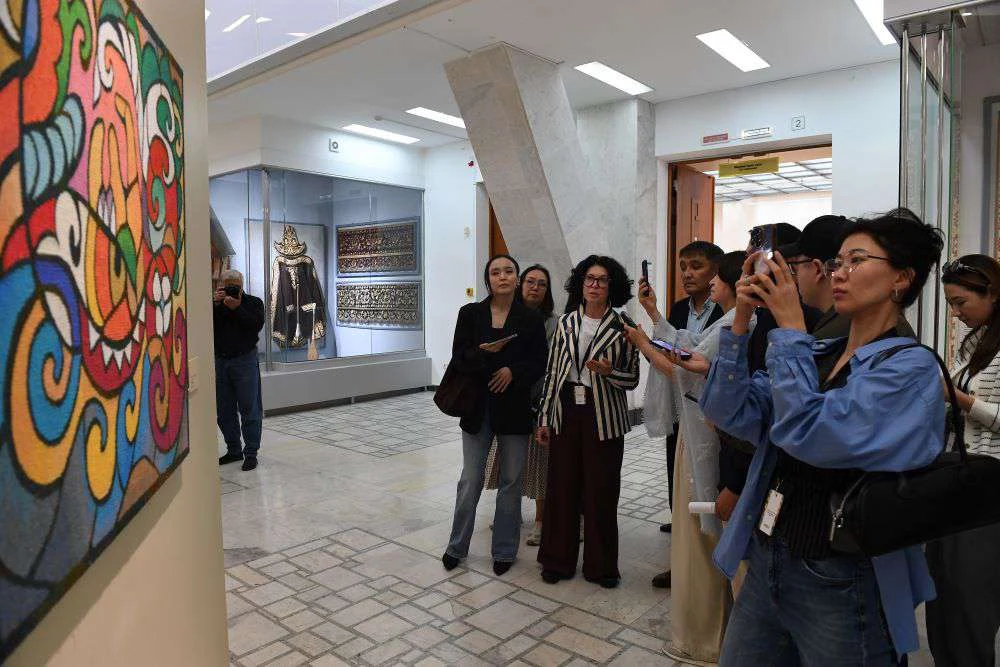
Threads of Heritage at the Kasteyev Museum brings together the artist’s tapestries, paintings and drawings. The exhibition runs until 8 November.
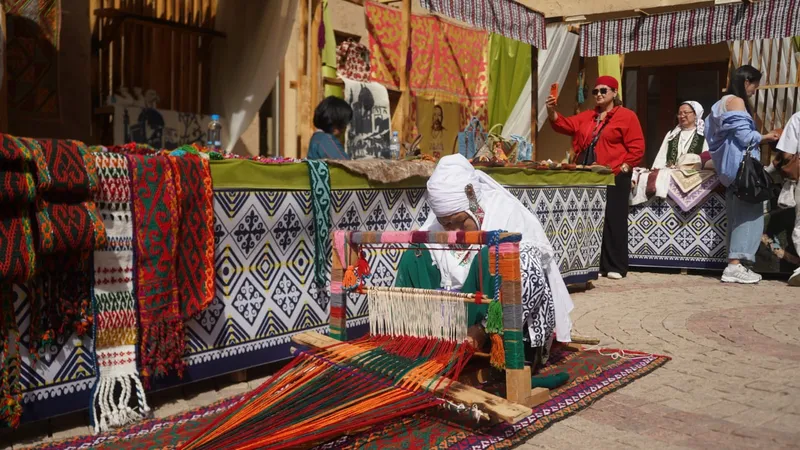
Around 200 artisans from Kazakhstan and other countries are presenting handmade goods at Turkistan Brand Craft Fair 2026, held on 26-28 September.
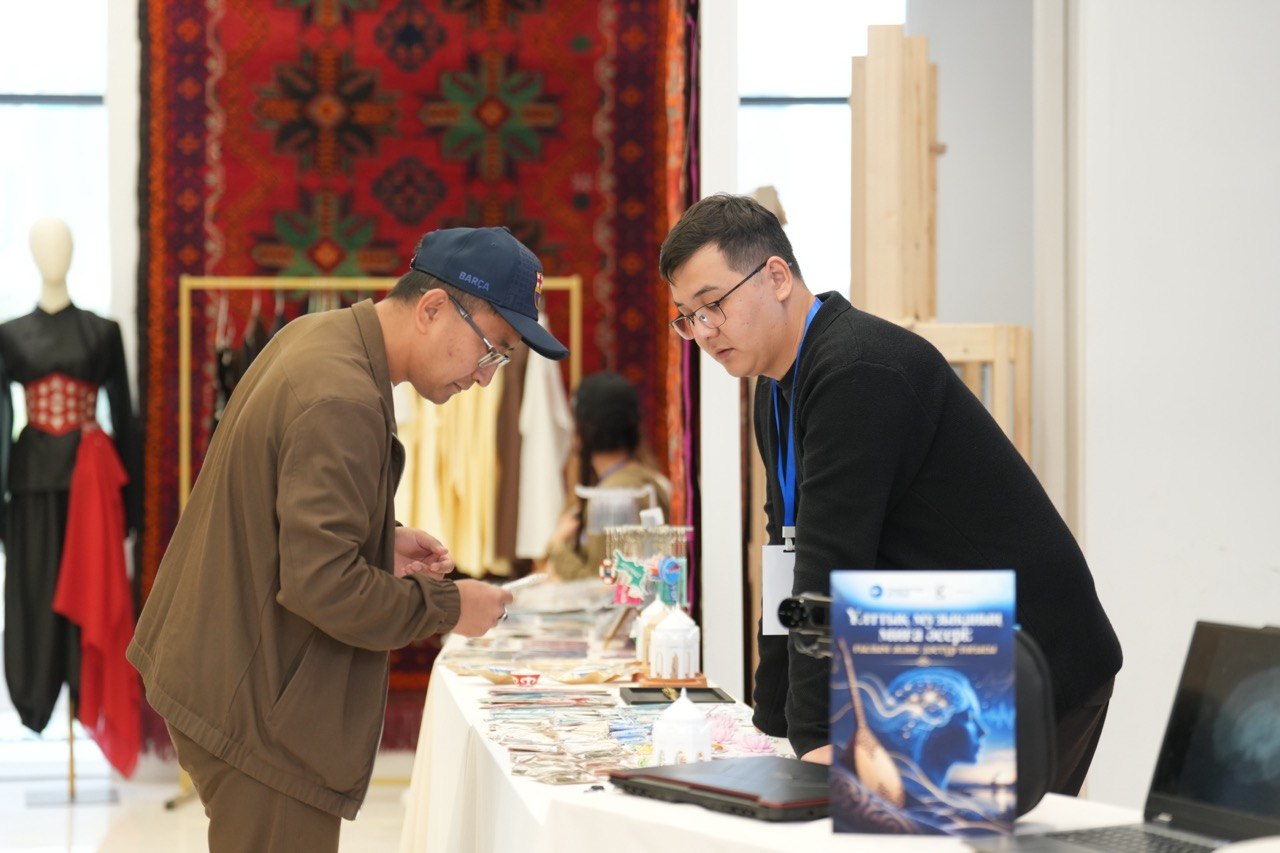
Handmade jewellery, ceramics and works in wood, leather and bone were presented at Creative Aimaq in Astana.
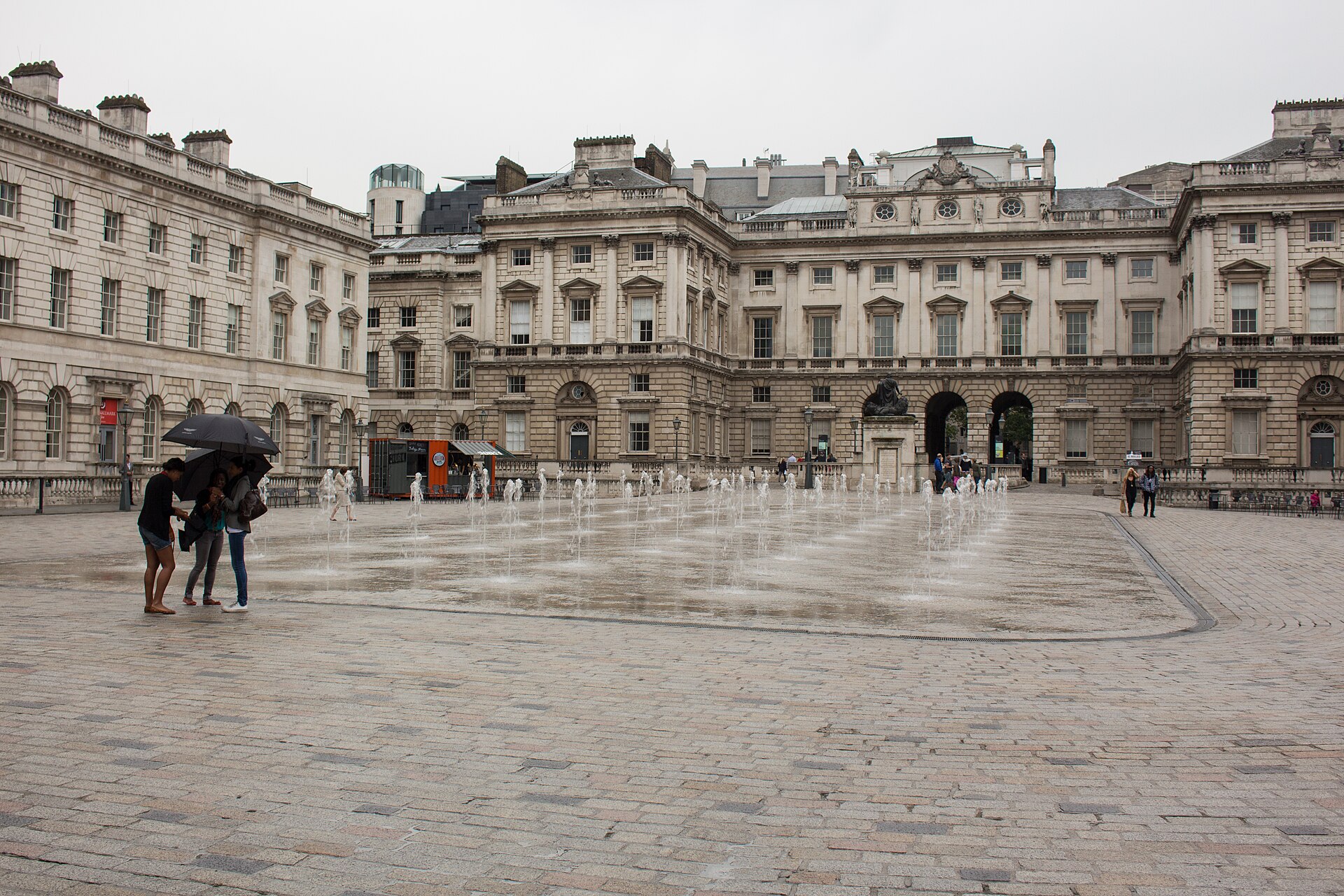
Somerset House is showing ceramics, textiles, jewellery and furniture that bring traditional techniques into new forms.
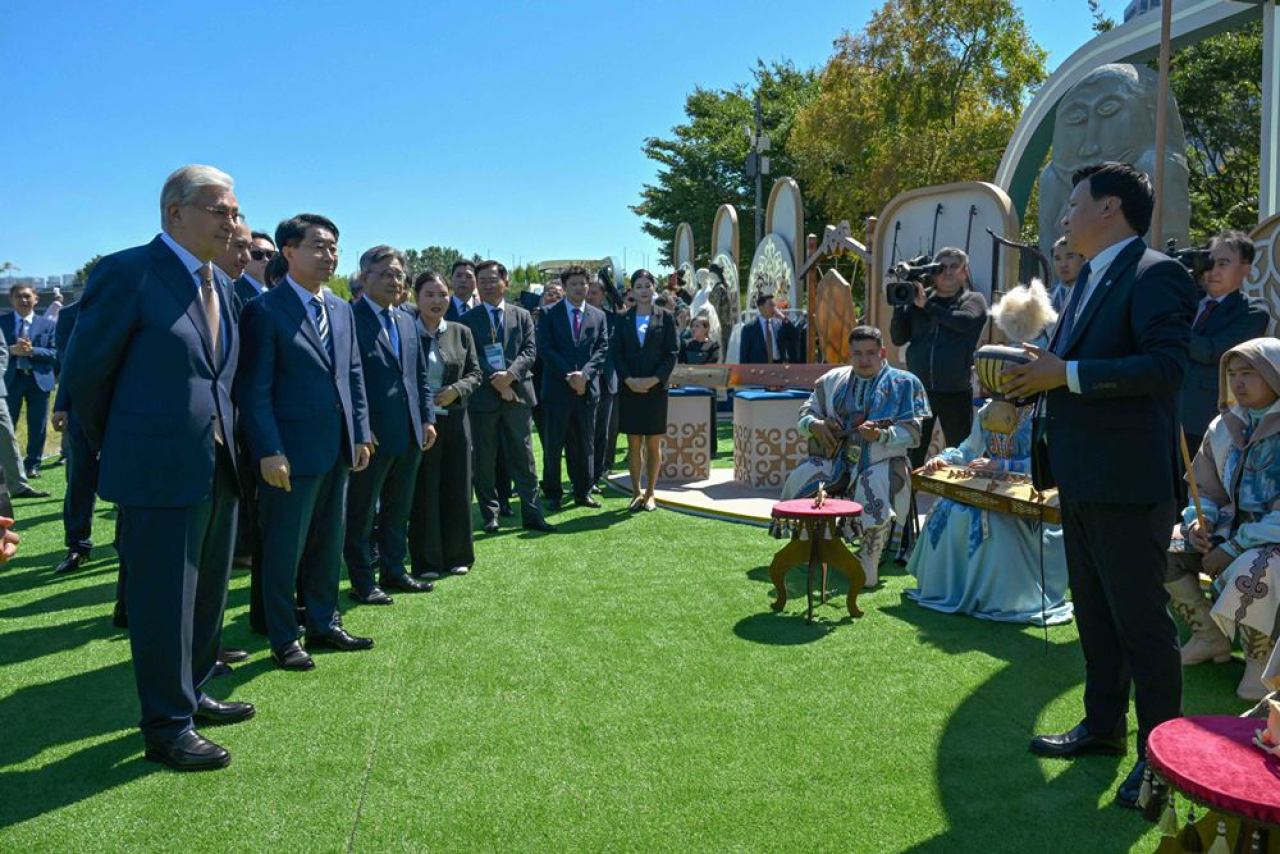
The programme in Hangang Park brought together traditional crafts, musical instruments and panoramic video about ethnic Koreans in Kazakhstan.
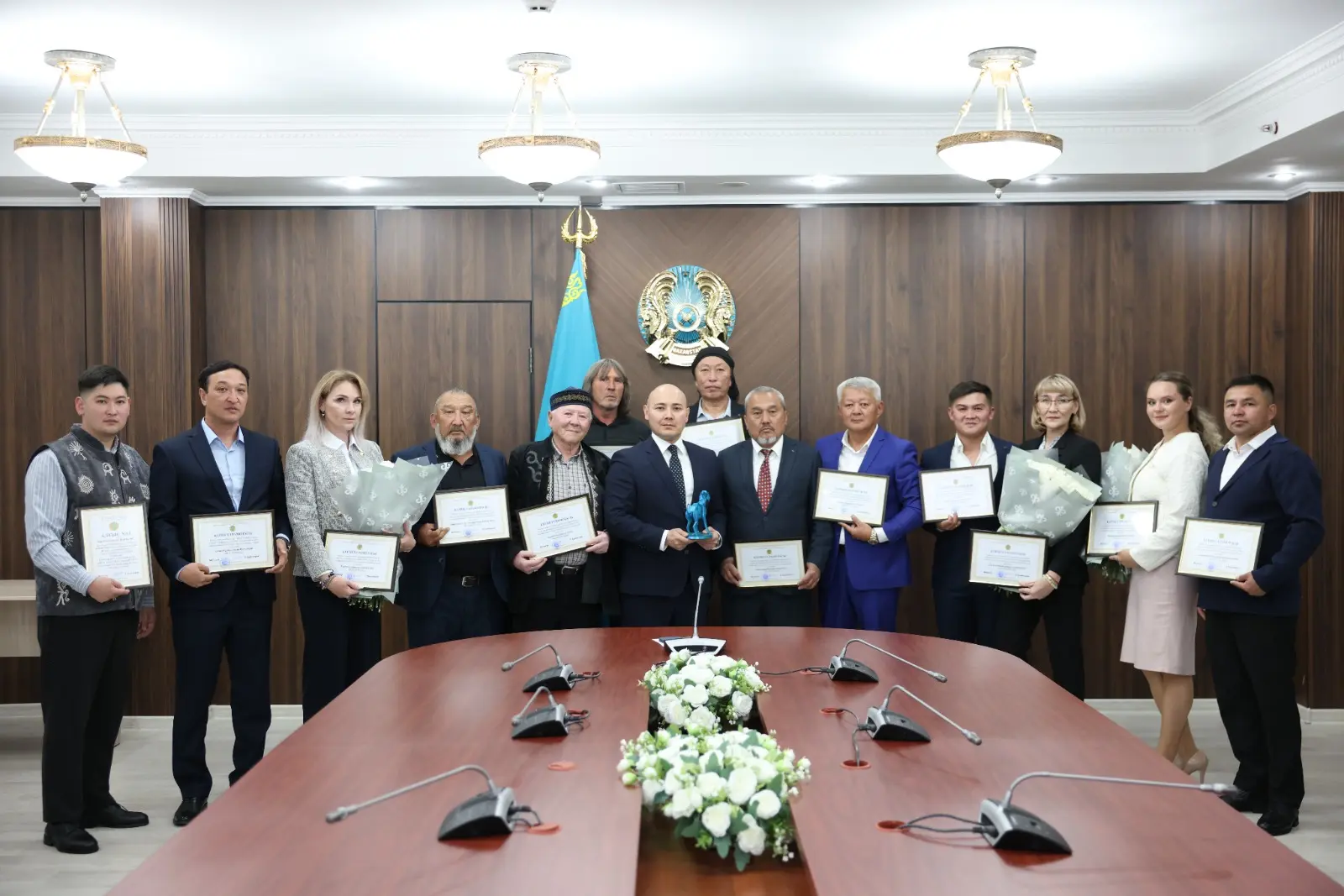
The new commemorative date is linked to the FCI's provisional recognition of the Kazakh Tazy. The FCI standard applies only to the Tazy.
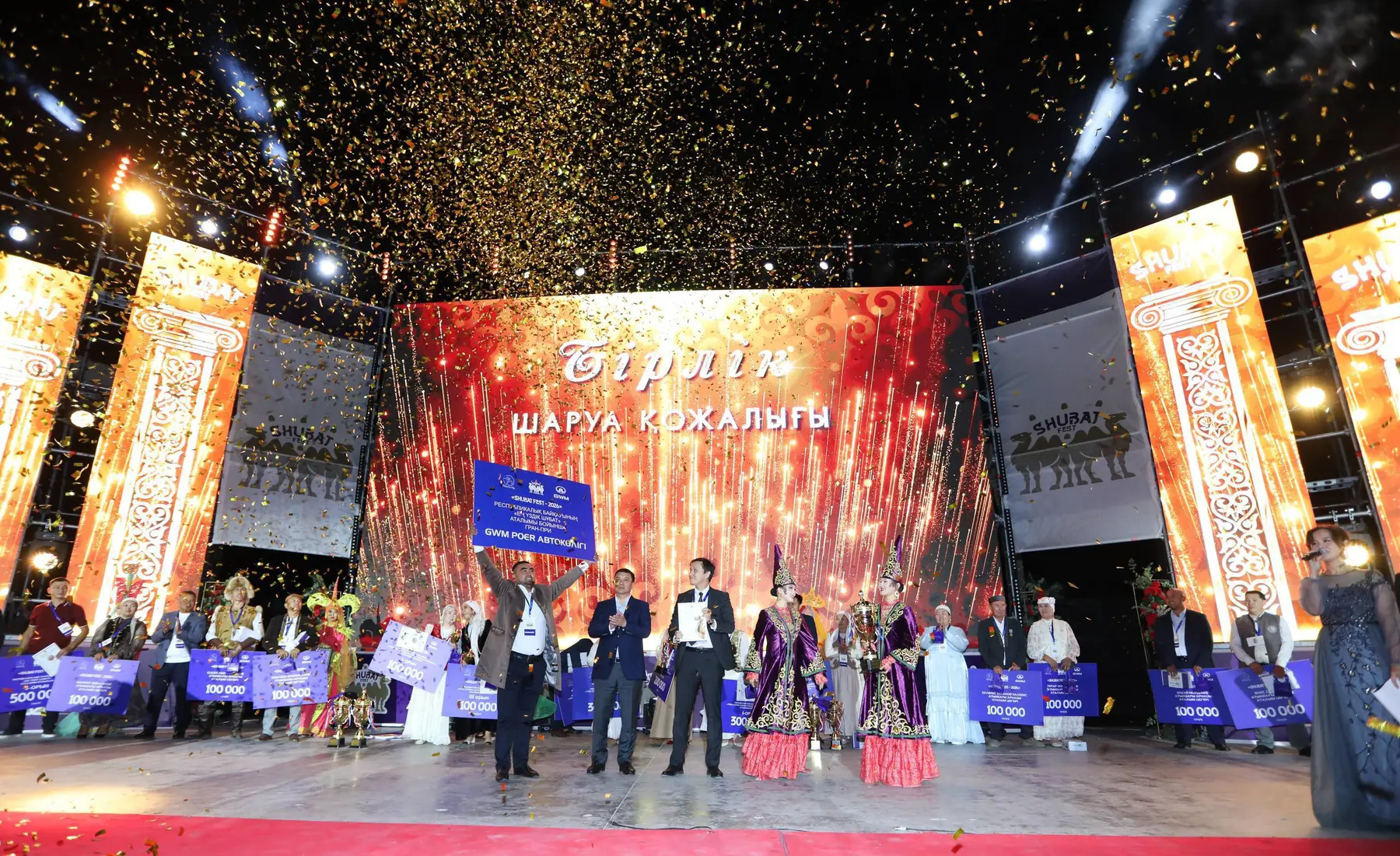
The winner received a GWM Poer, while first place went to the Tolqyn farm from Aktau.
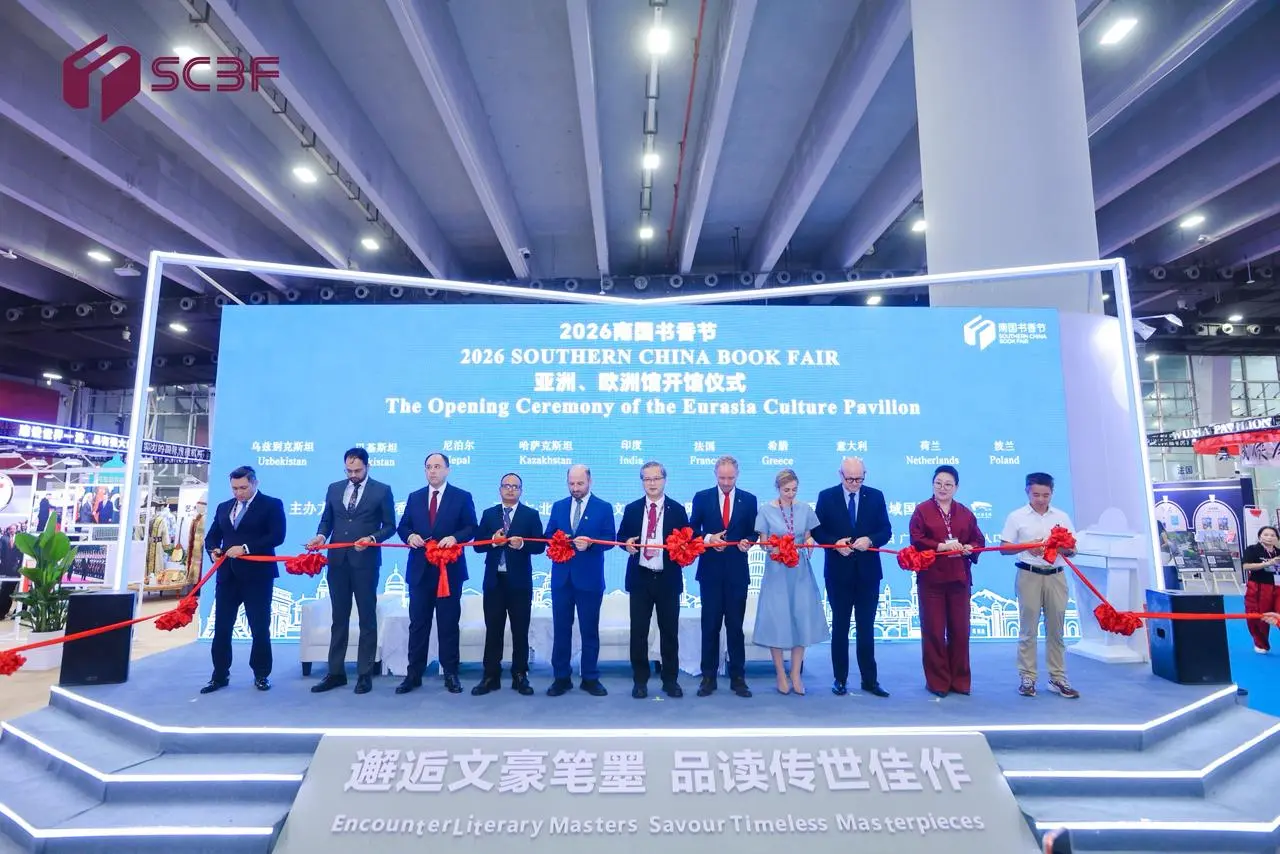
The South China Book Fair featured around 100 books and cultural products from Kazakhstan.

The Kimak-Kipchak mobile dwelling was found in 2016. The current development is a new field season and a plan to conserve, restore and museumify the site.
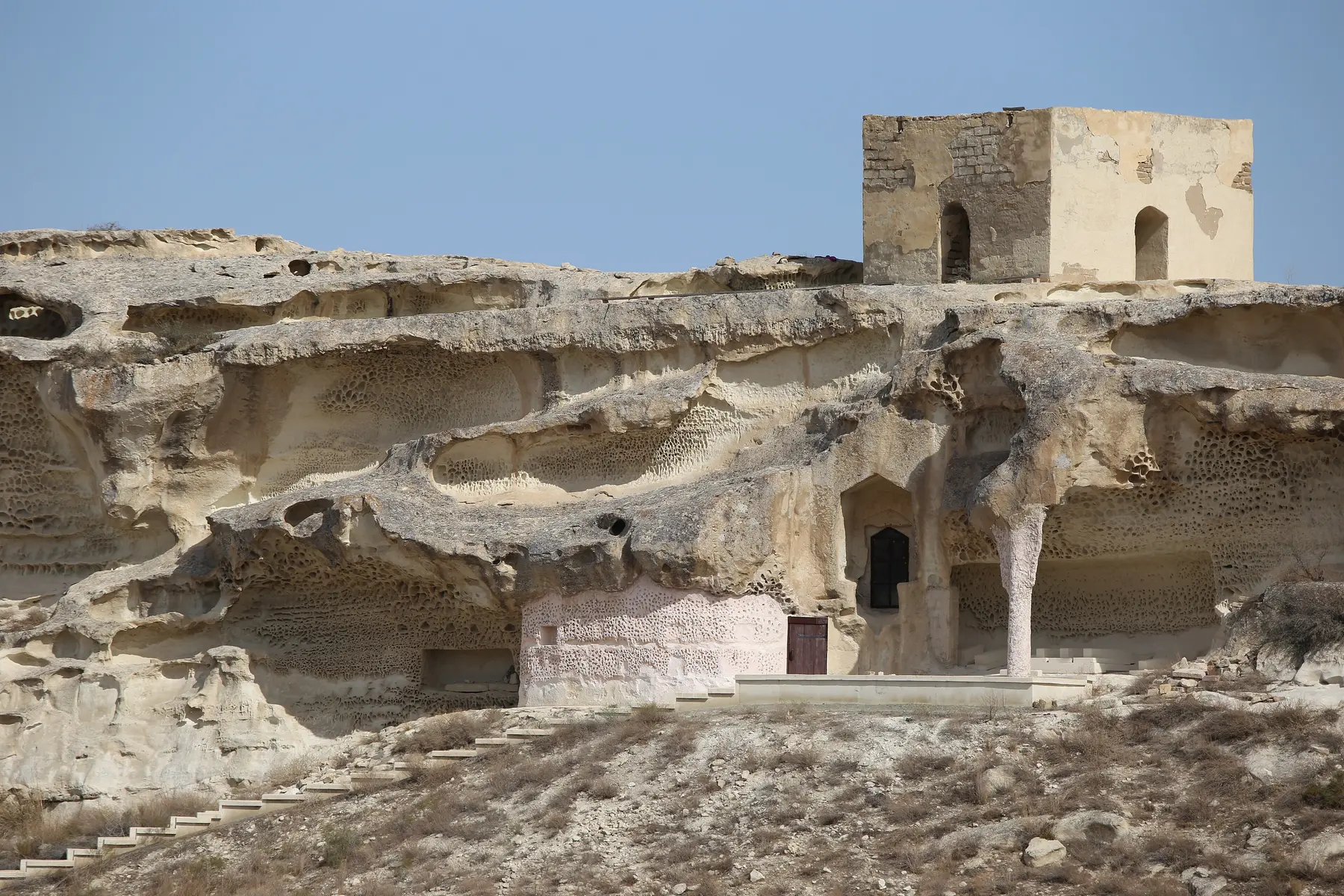
Beket-Ata, Shopan-Ata, Karaman-Ata, Shakpak-Ata and Sultan-Epe received international recognition in 2026.
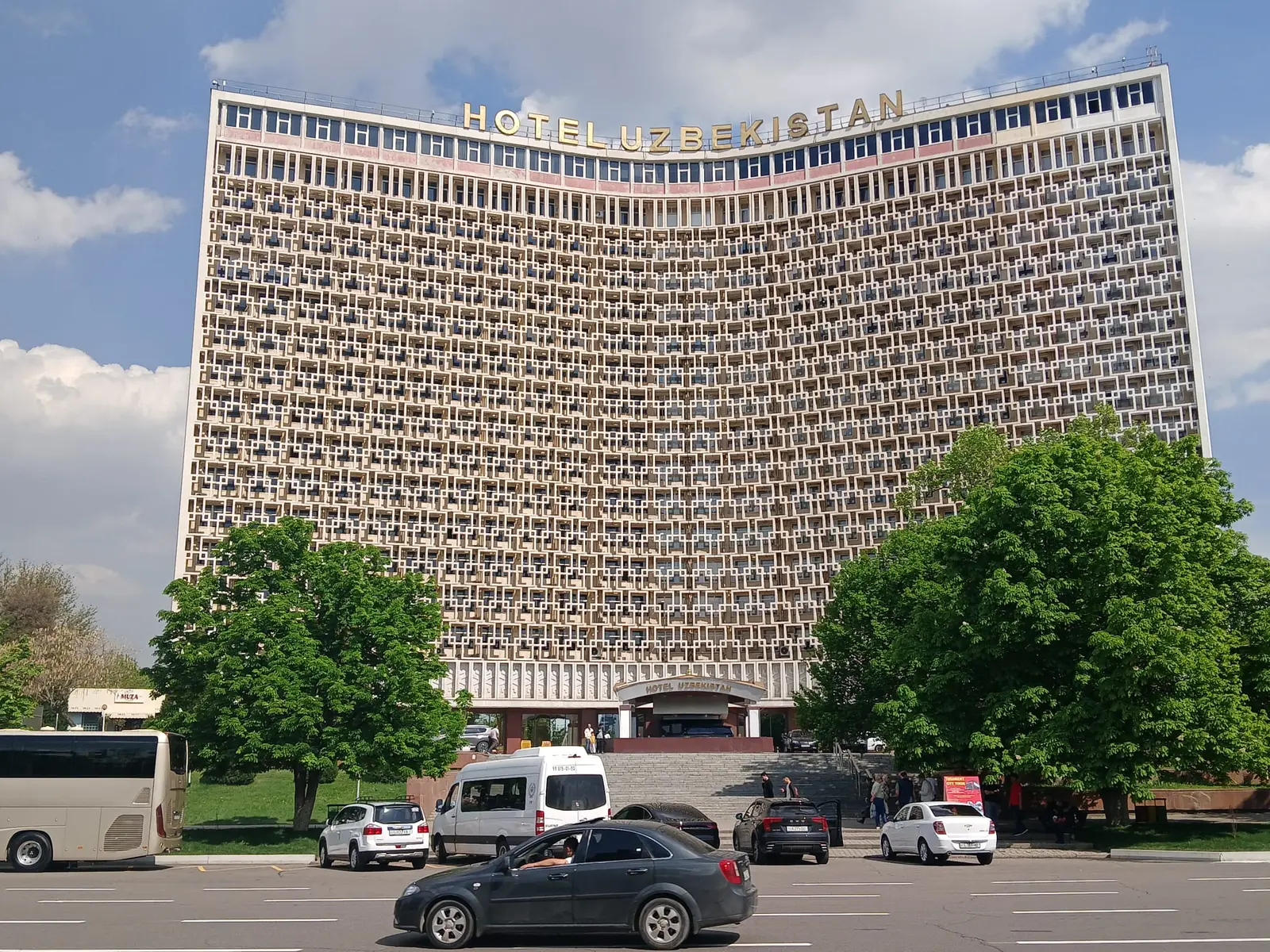
Ten buildings and urban complexes created from the 1960s to the early 1990s have joined the World Heritage List.