The Atacama changes colour: NASA captures the desert in bloom
Landsat images from September and October 2026 show the changing colours of flowering hillsides in northern Chile.
Digital media shaped byintellectual optimism.
EARTH
Nature, ecology, travel and the animal world.
Landsat images from September and October 2026 show the changing colours of flowering hillsides in northern Chile.
Another 33 iguanas were released in the Hellshire Hills on November 14 after being raised in protected conditions.
A new report compares satellite images from 2010 and 2026 and explains a global shift from loss to expansion.
Yakamys sirindhornae shows that large rodents were present in Southeast Asia as early as the Eocene.
Troodos preserves rocks from an ancient ocean floor, while Akrotiri shows how sediment reshapes land. Landsat 8 offers a view into the island's geological history.
The anatomy of a Hawaiian honeycreeper reveals how it uses its weight to open branches and extract grubs.
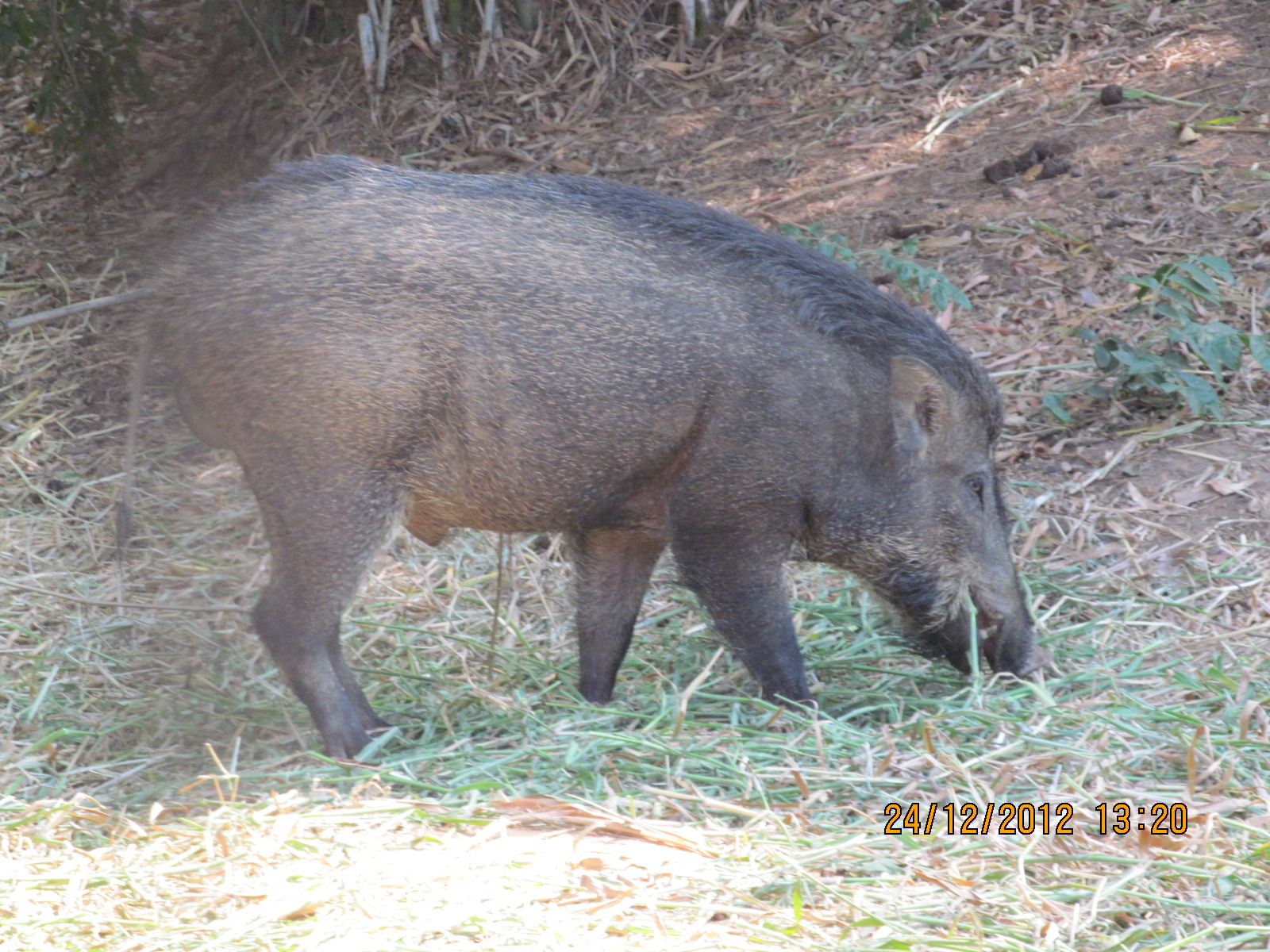
Wild boar in India, December 24, 2012. Archival illustration; this photograph is not from the study's field observations. Image: Pramitha Kamath / Wikimedia Commons · CC BY-SA 4.0
Camera-trap data from 540 sites reveal wild boars’ complex role in forest communities and near farmland.

Photographed on 28 August 2026. Image: NASA / ISS Crew Earth Observations Facility
An orbital photograph reveals a pale anorthosite massif in southern Madagascar. The same rock type is widespread in the lunar highlands.
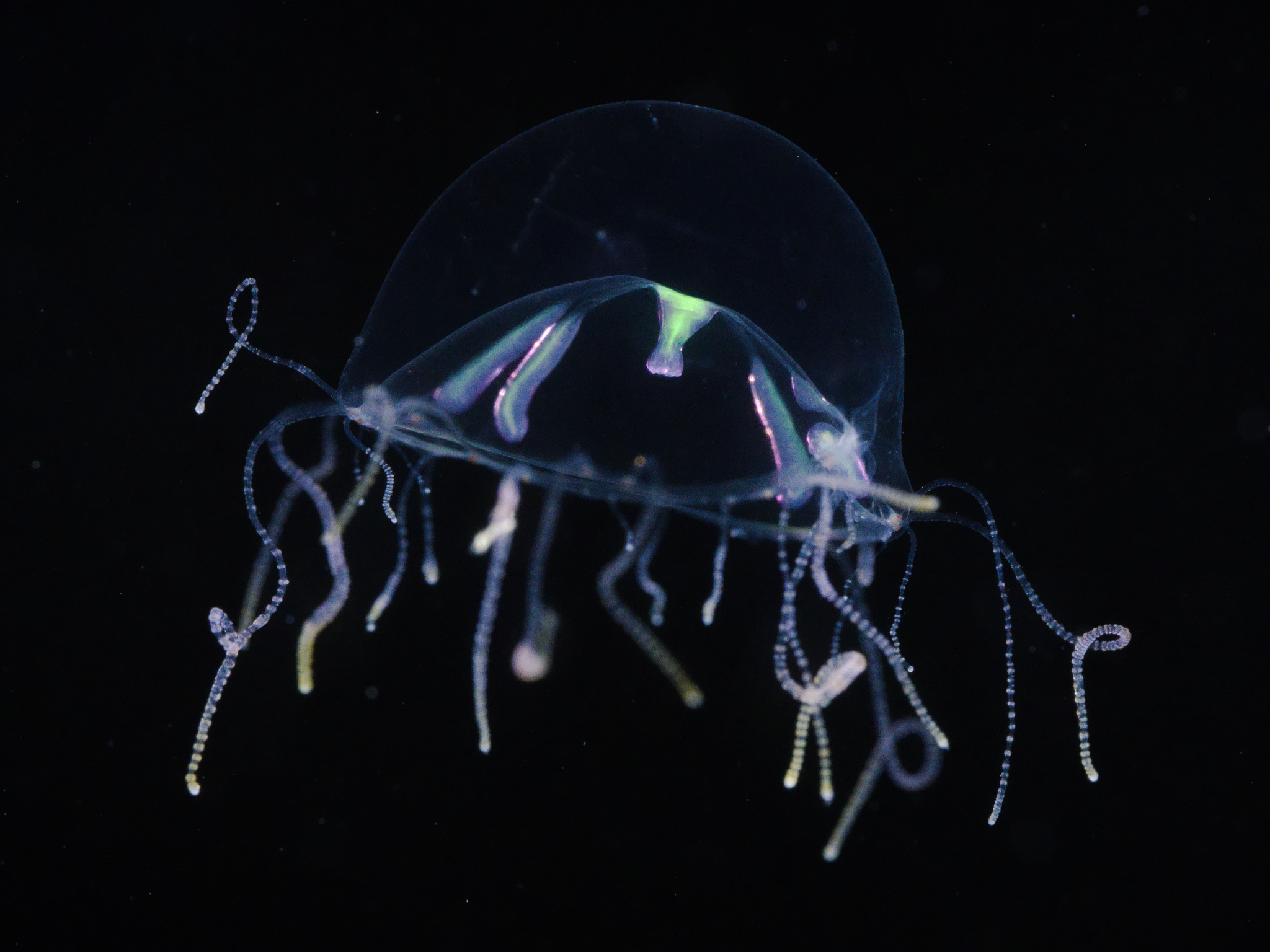
Image: © Fraser Higgins (f-sundw) / iNaturalist · CC BY 4.0
The campaign brought people together in over 40 countries and territories. Around 61% of records still need help with identification.
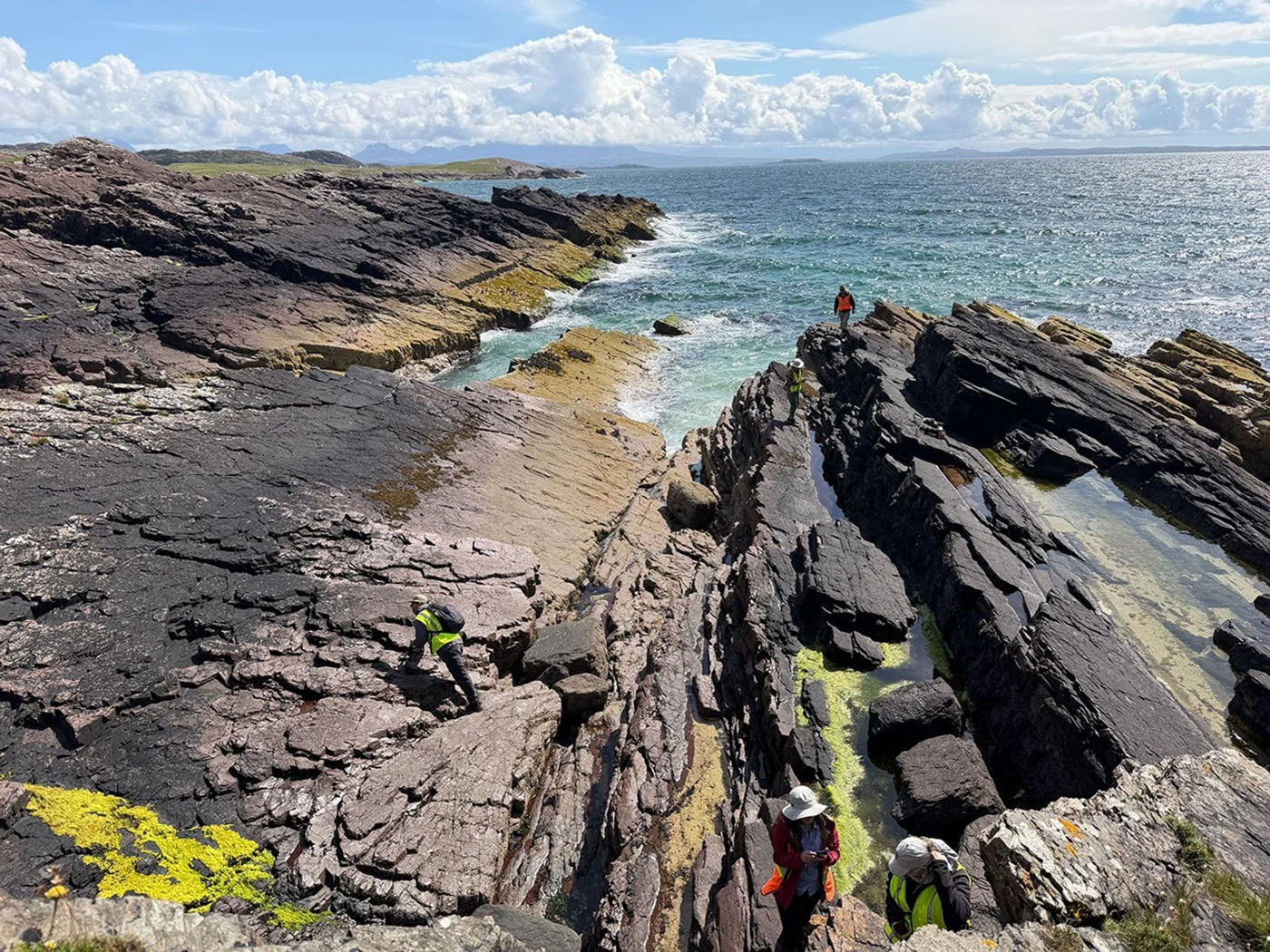
Following a summer expedition, NASA’s team is preparing laboratory analyses of Earth samples to help interpret observations by the Perseverance rover.
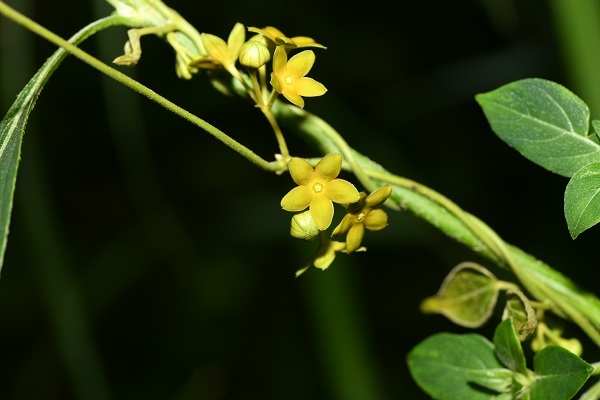
The twining herb Xua hongheensis grows in Yunnan’s dry-hot Red River valleys. Its structure and DNA set it apart from its relatives.
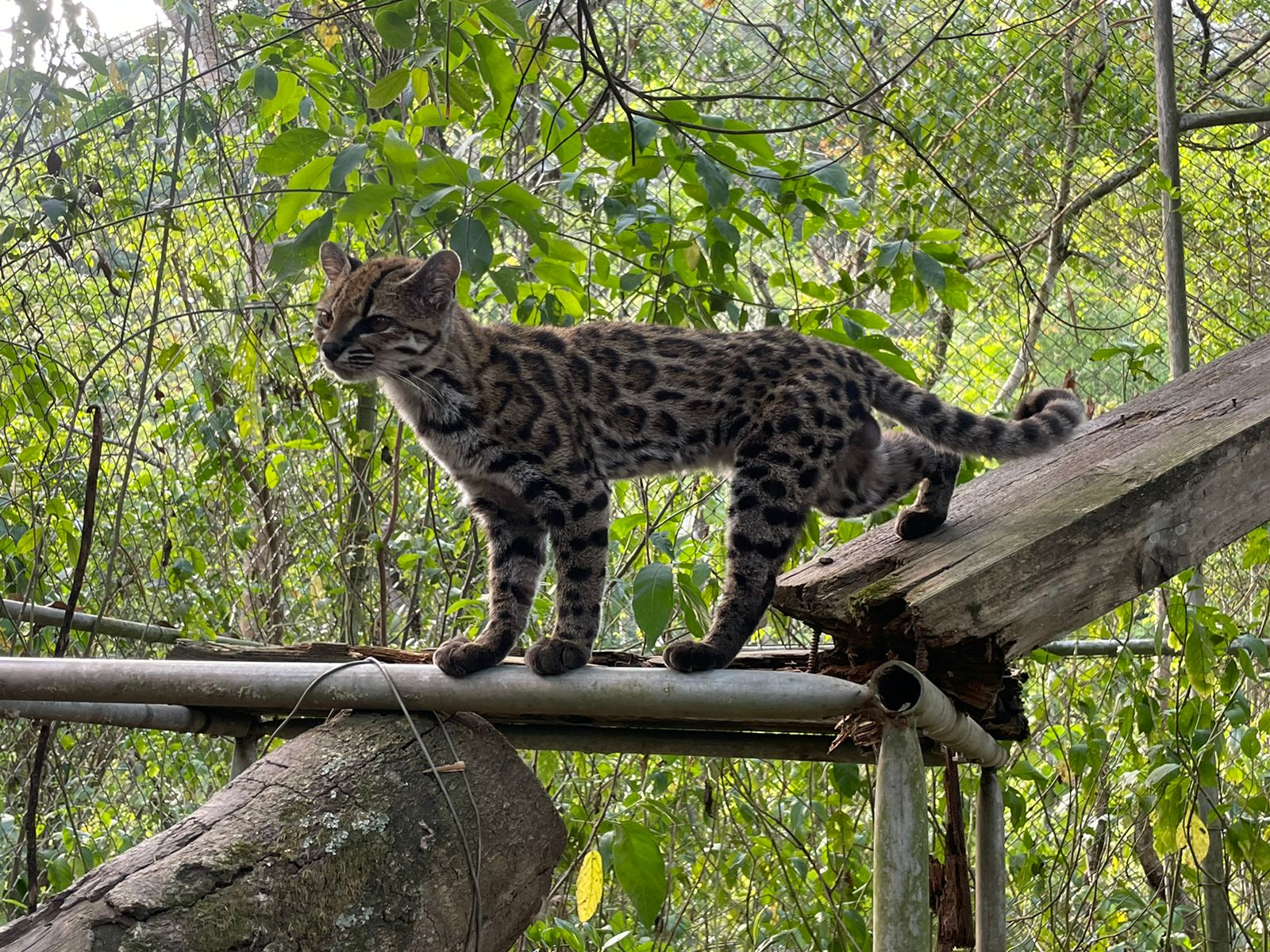
Genetic analysis has identified Leopardus tilcayo as a distinct species within a group of similar-looking South American cats.
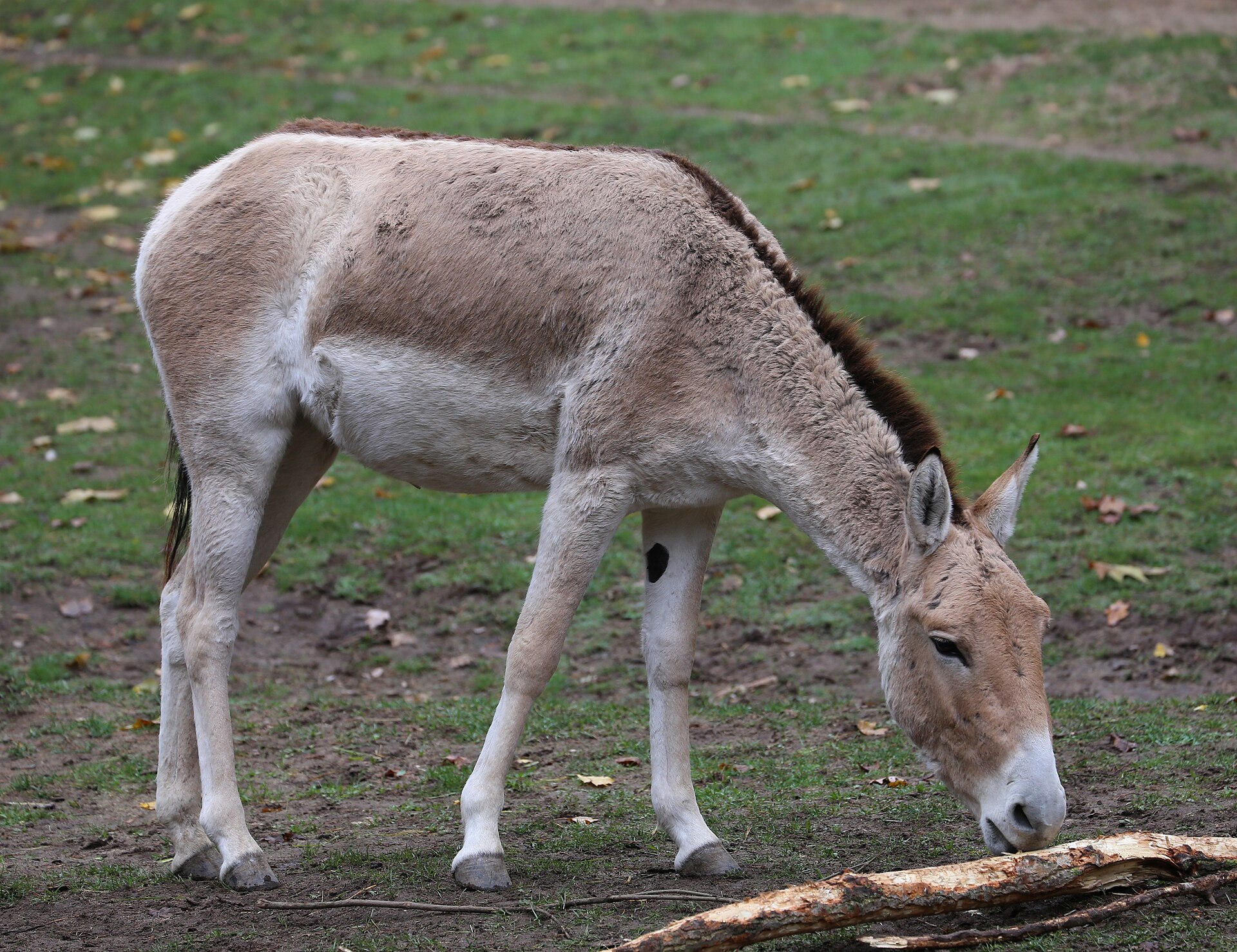
The relocation aims to expand the animals’ range. Specialists will continue to monitor how they adapt.
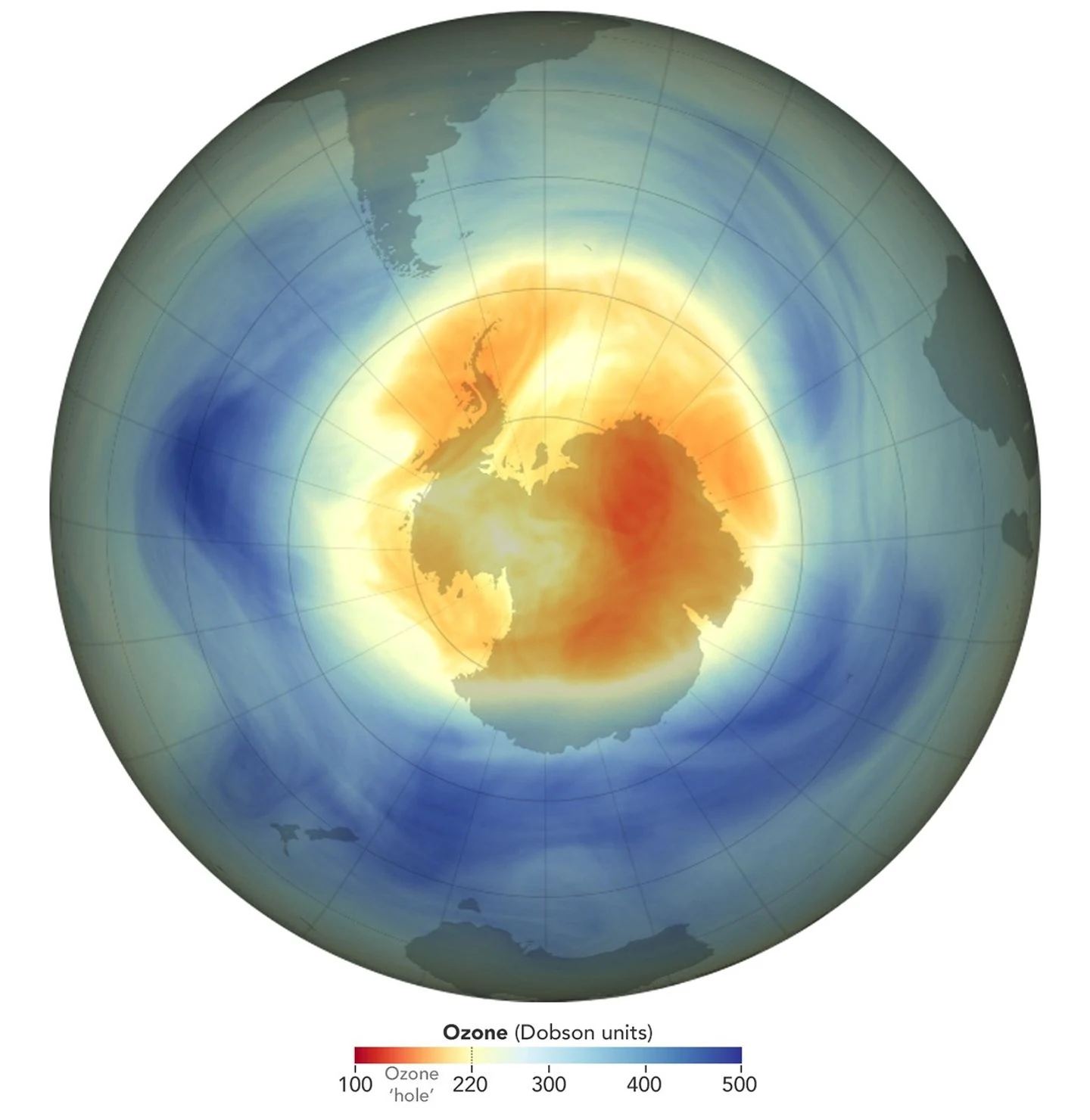
A new WMO bulletin published on September 16 reviews 2025, when the Antarctic ozone hole was relatively small.
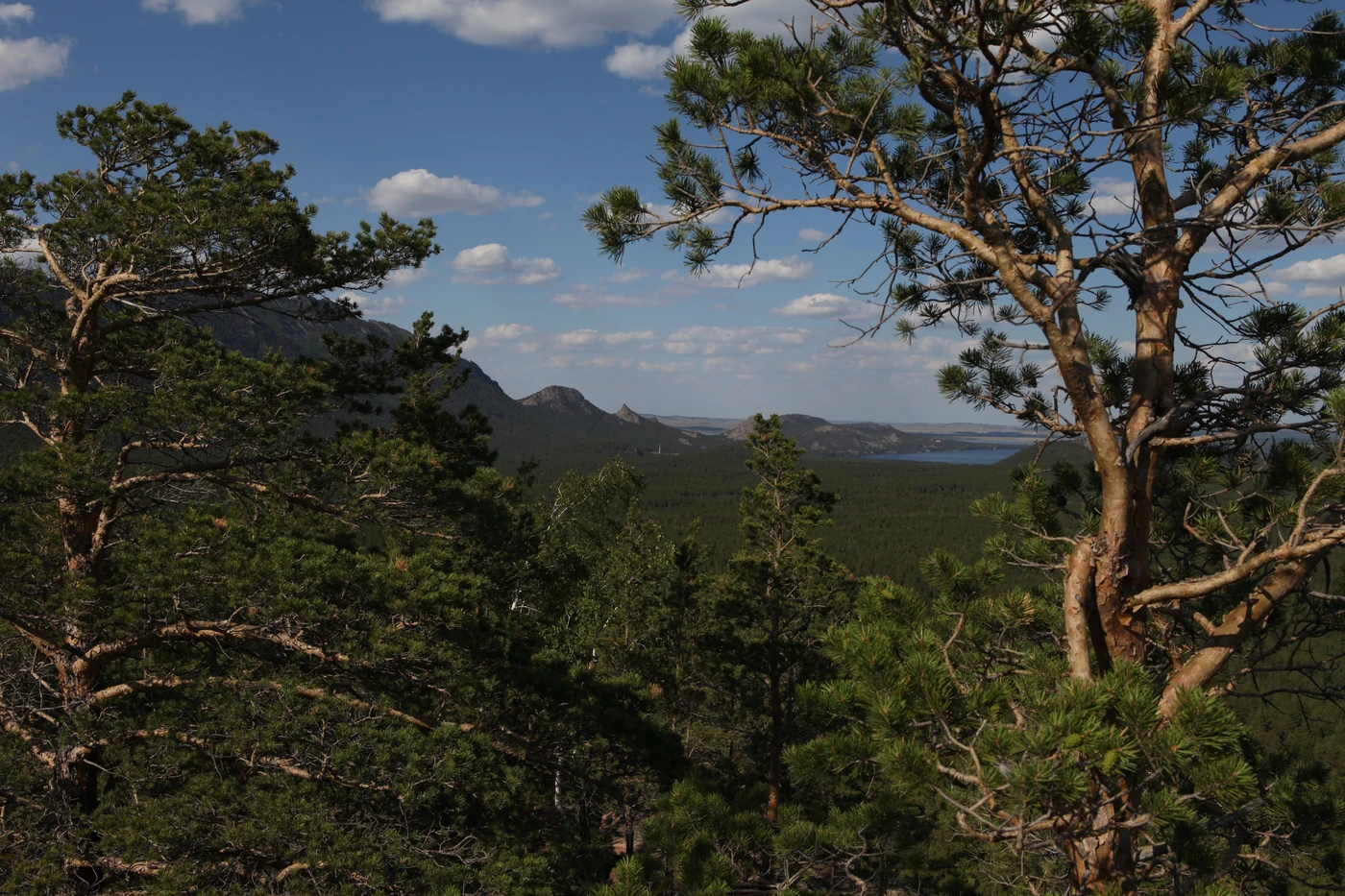
The first samples have been recovered from a year-long field experiment in Kazakhstan’s Burabay National Park.
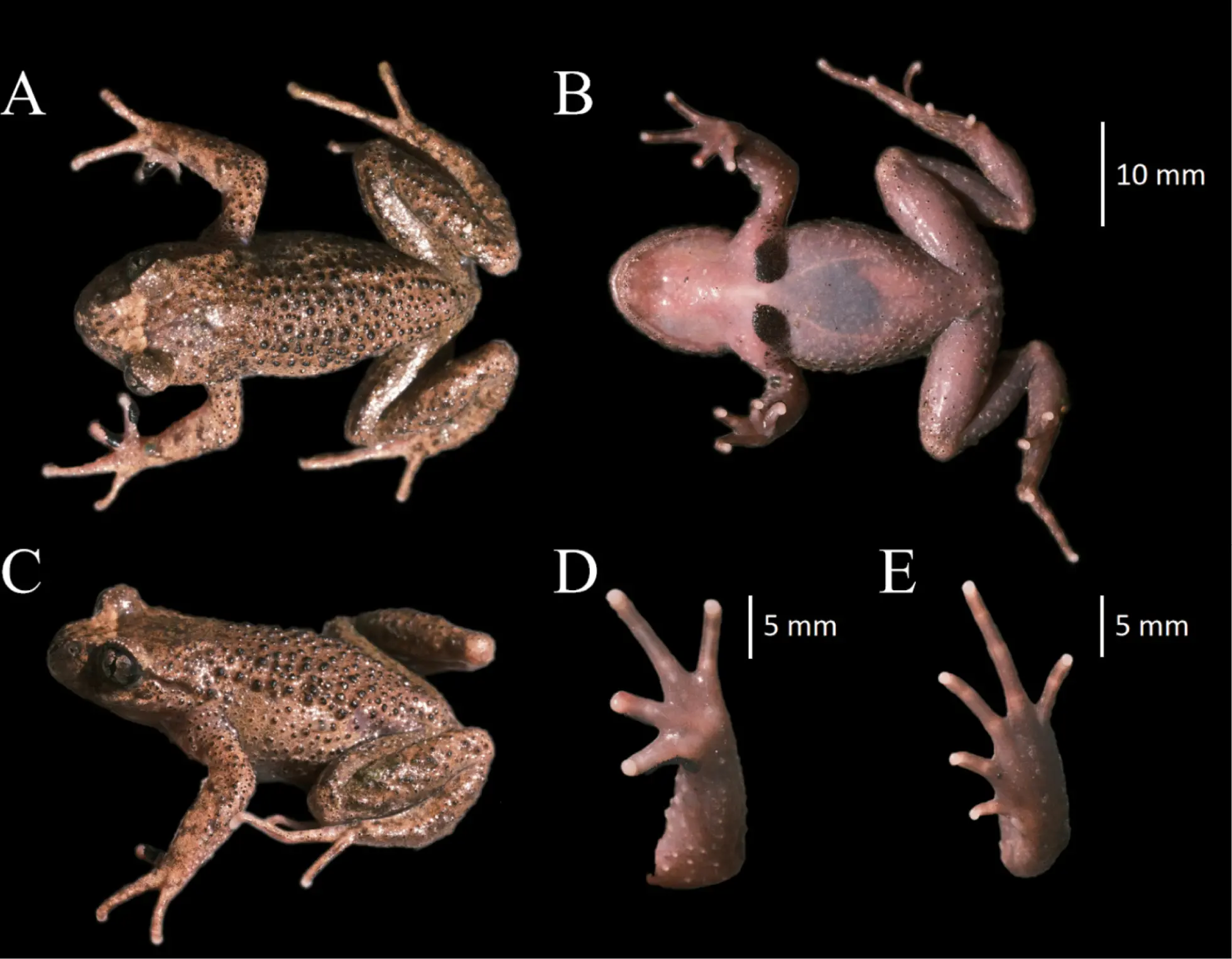
Oreolalax lizipingensis is so far known only from streams near the Liziping reserve. Its status as a distinct species is supported by anatomy, mating calls and DNA.
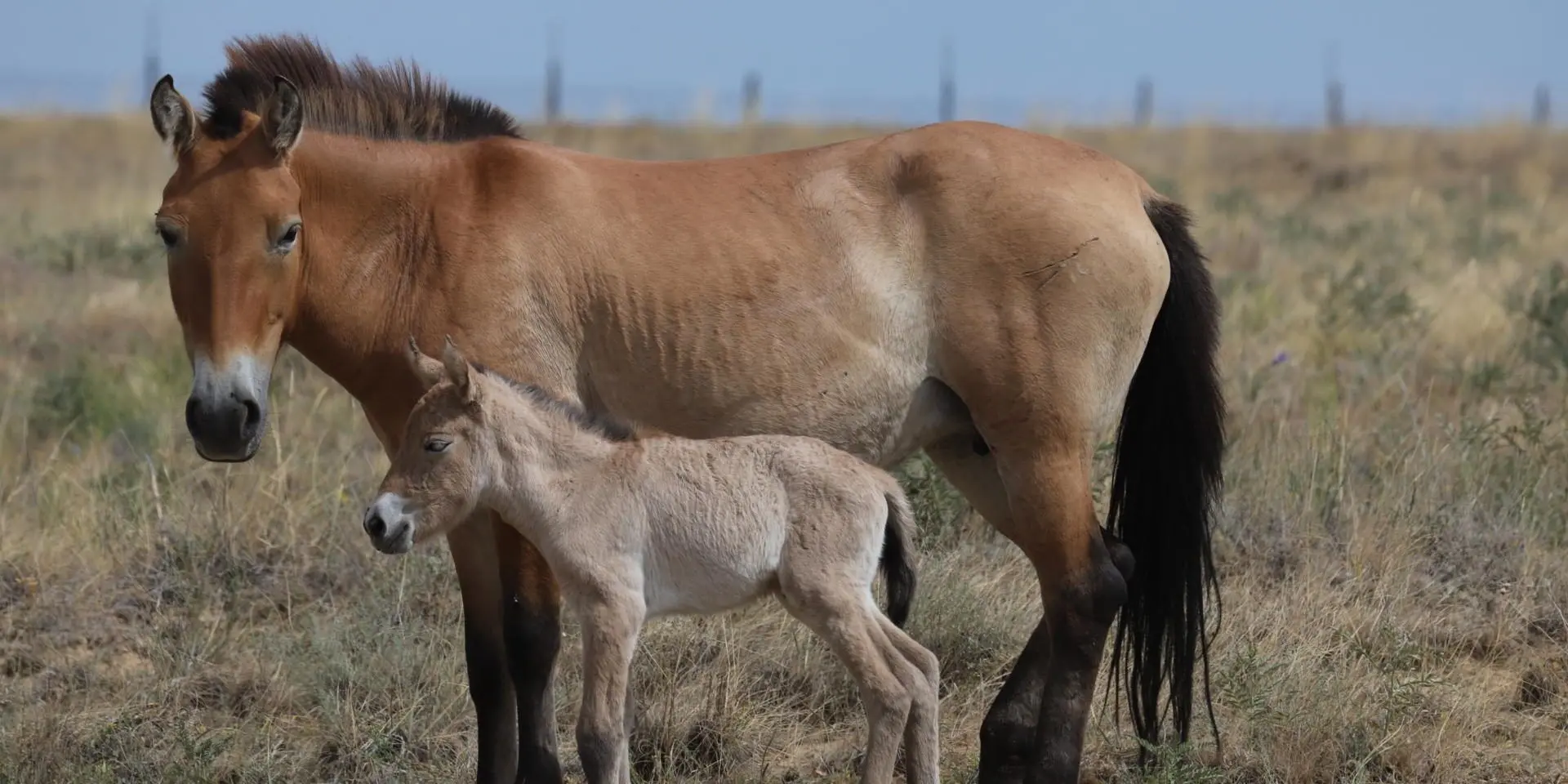
The foal's birth marks a major milestone in an international programme to return wild horses to the steppe.
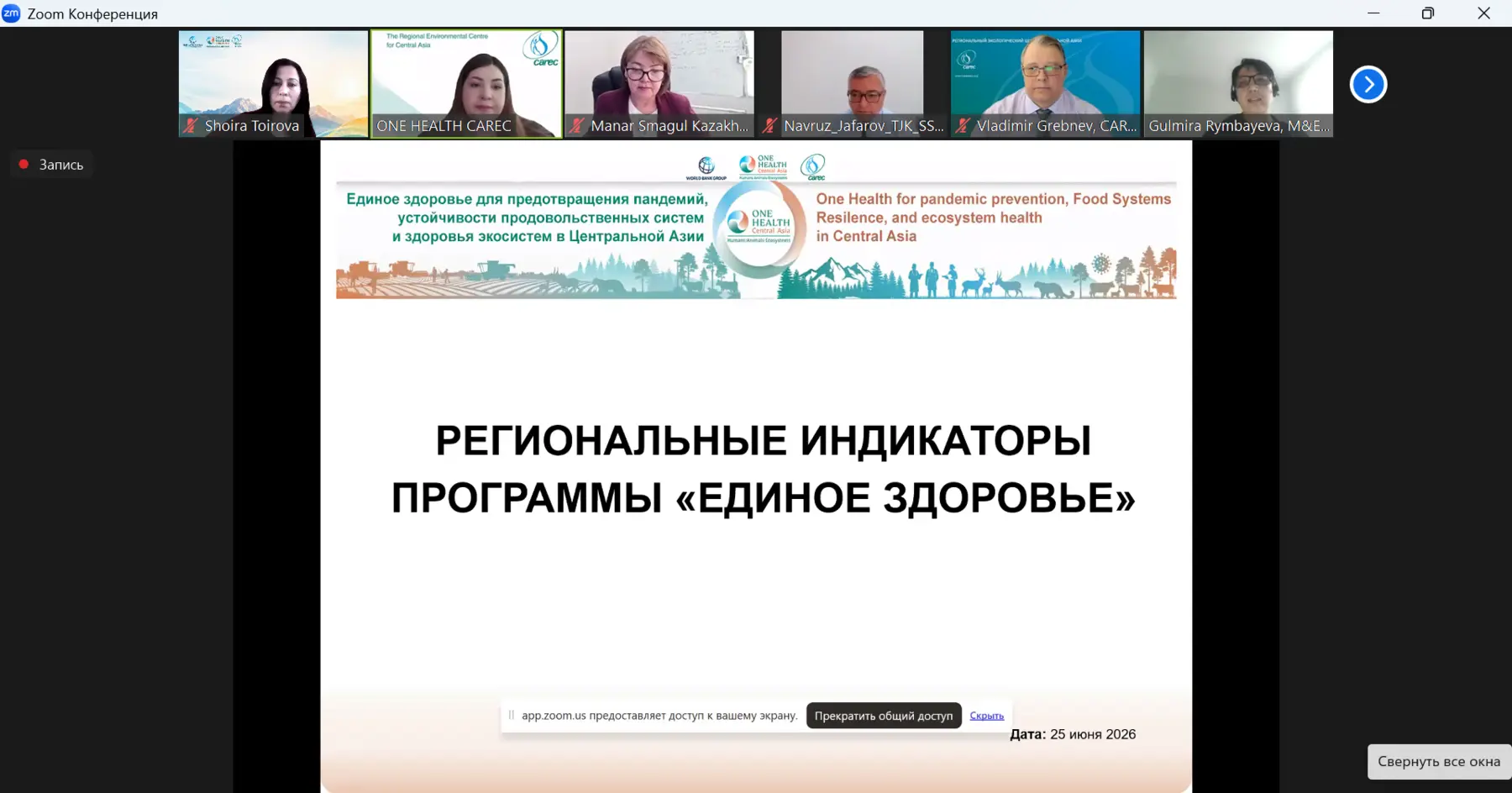
The One Health approach links human, animal, and ecosystem health across five countries in the region.

State inspectors recorded an Aegypius monachus chick in its nest. The species typically raises only one chick in a breeding season.
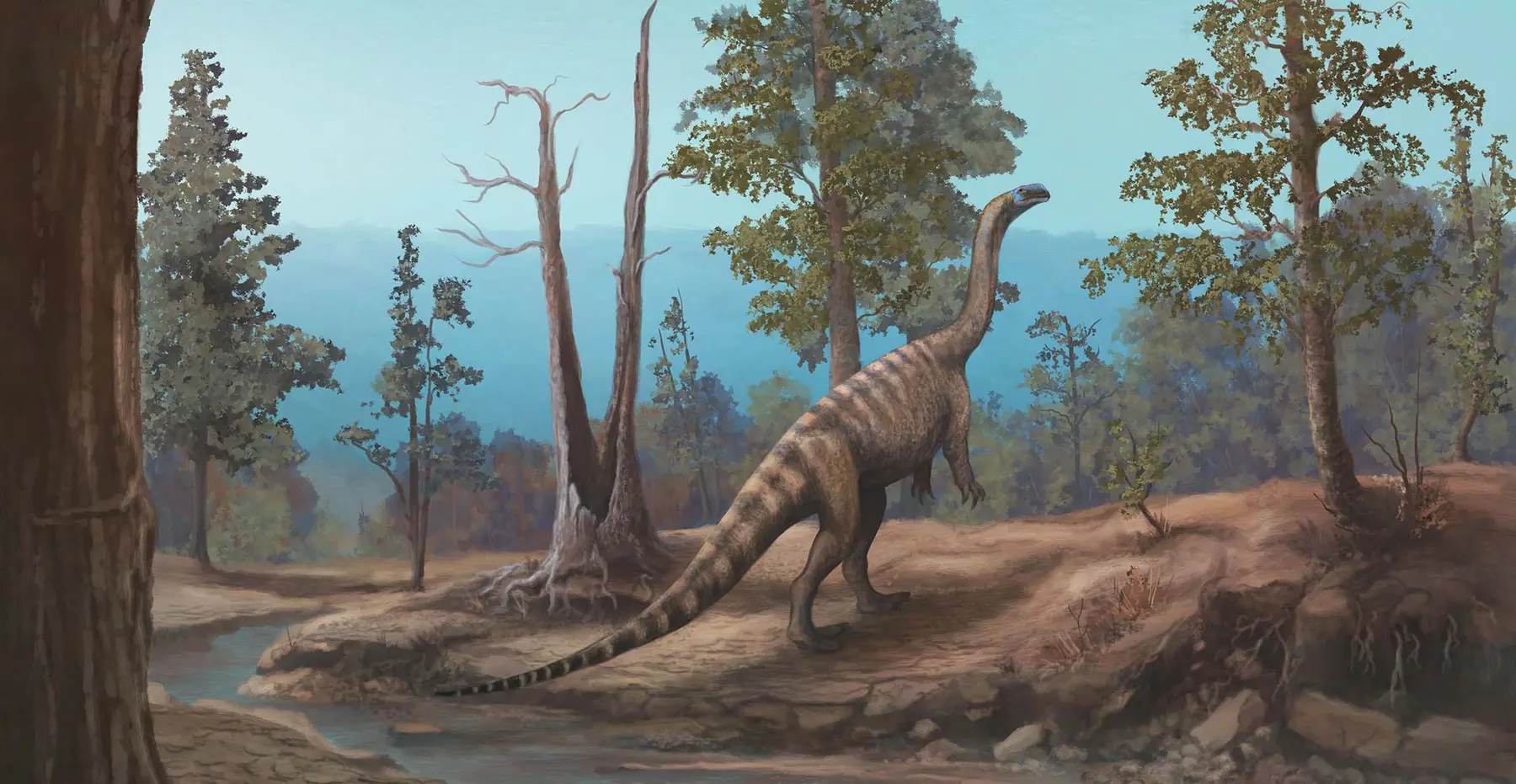
Musango matusadonaensis lived around 210 million years ago and reached about 4.5 metres in length.