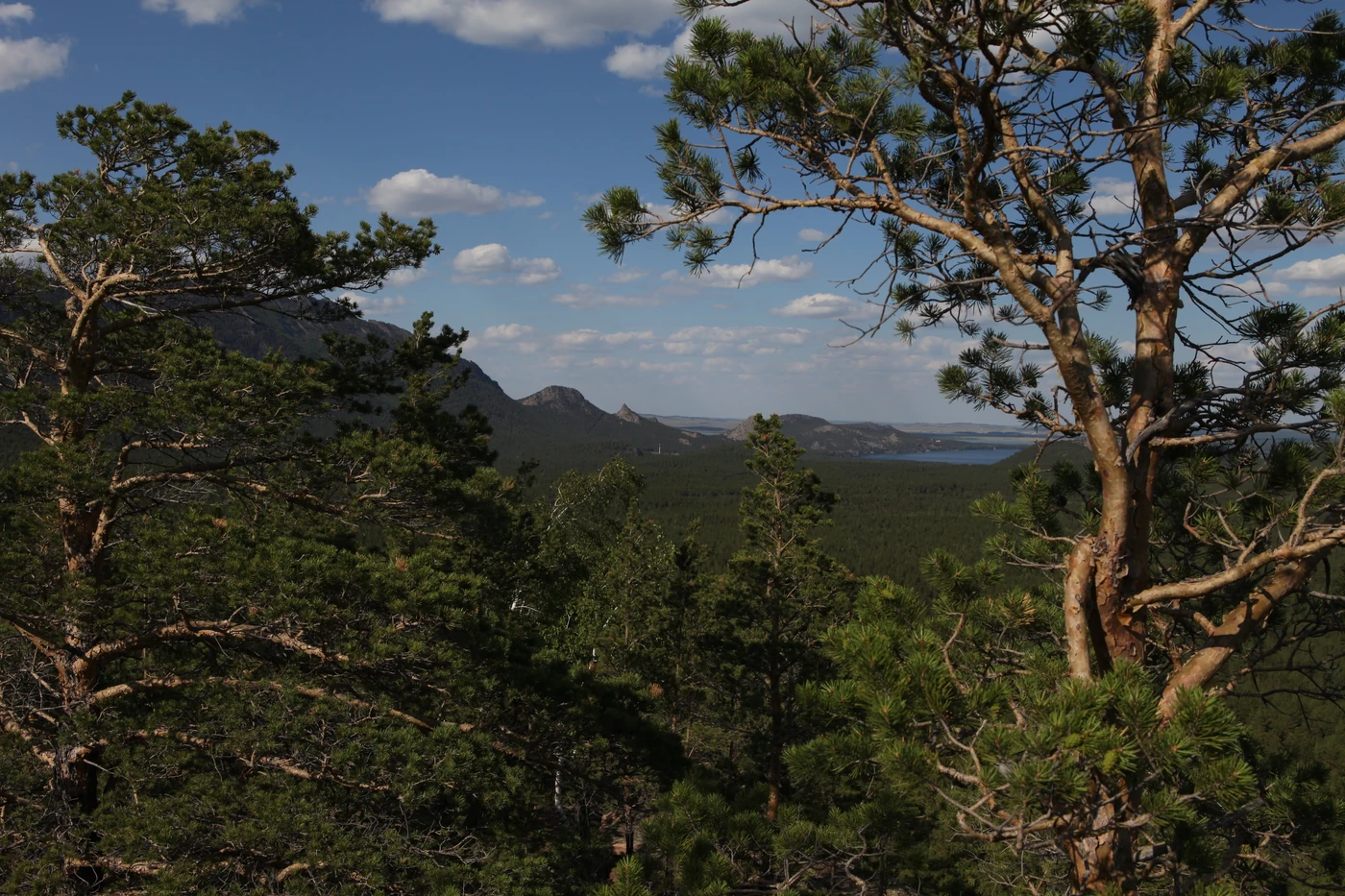
Researchers in Burabay National Park have recovered the first samples from an experiment begun in summer 2025. They will examine how soil fungi interact with minerals.
The national park announced the latest stage of the international EuAsiaN-ROOT project on September 14. The first set of samples was collected in August 2026, a year after the experiment was established in its pine forests.
Park staff and researchers from Leibniz University Hannover placed mesh bags containing muscovite, apatite and goethite in the soil. The openings exclude tree roots but allow much thinner fungal filaments, known as hyphae, to enter.
This lets the team investigate fungi’s role separately from direct root contact with minerals. Mycorrhizal fungi help plants obtain nutrients from soil and receive organic compounds from the plants in return.
The researchers also collected soil and pine needles. Laboratories in Hannover will look for traces of microorganisms and biological weathering on the mineral surfaces, then compare these observations with the chemical composition of the other samples.
The results of that analysis have not yet been presented. The team plans to compare Burabay’s data with findings from forests in other European and Asian climates. The project runs until the end of 2028.