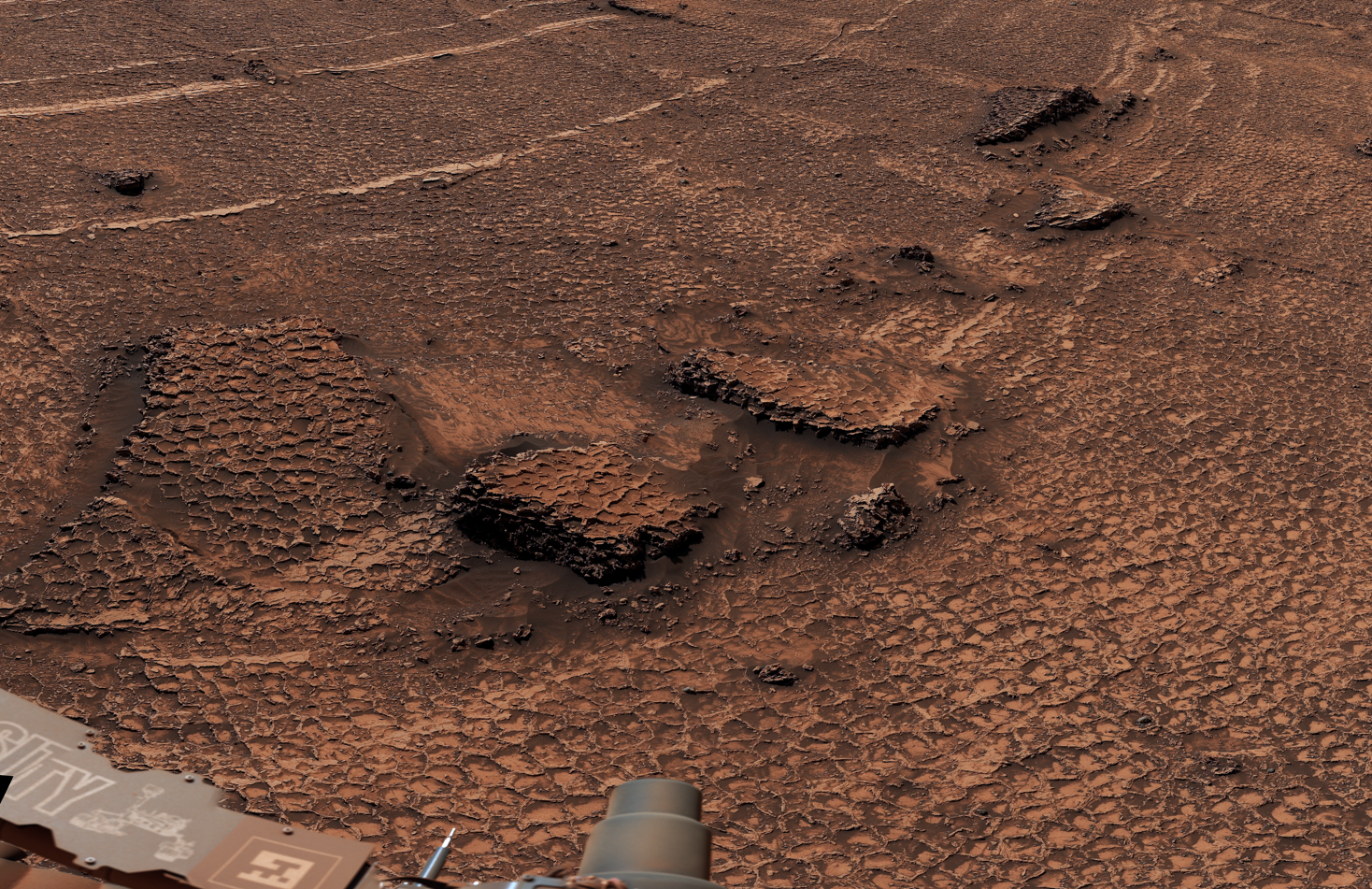
Scientists from NASA and partner universities are preparing to examine samples collected in north-west Scotland in summer 2026. Their study of rocks from the Stoer formation aims to clarify which chemical traces ancient microbial life can leave behind.
The rocks formed in environments comparable to ancient Martian rivers and lakes. They also preserve evidence of microbial life from around 1.2 billion years ago, before land plants existed.
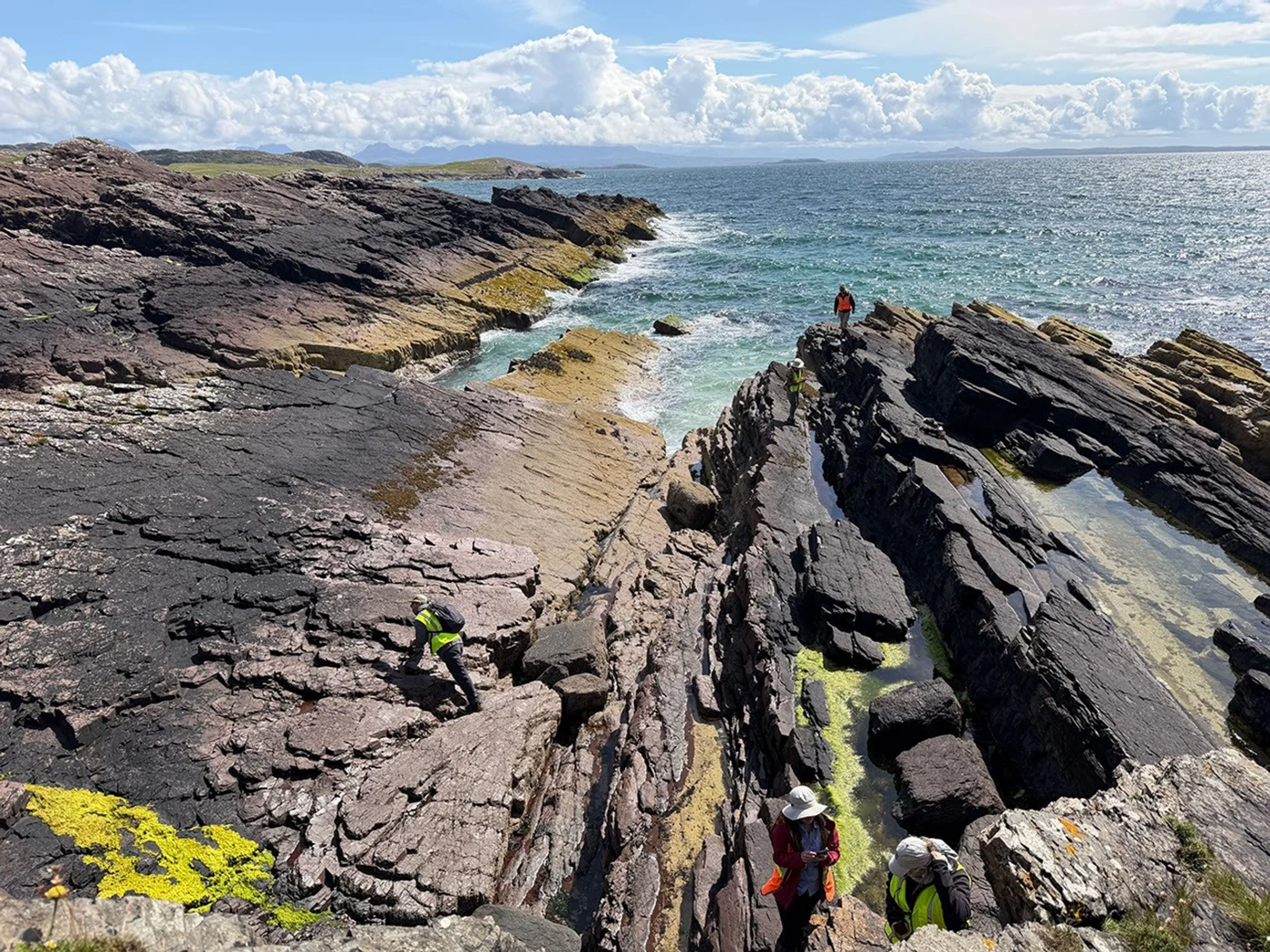
The Goddard Instrument Field Team worked along the coast near Clachtoll. Researchers used handheld instruments to measure the rocks’ chemical and mineral composition, examined surrounding layers and collected samples for laboratory analysis.
They focused on grey-green patches in red sandstone caused by chemical reduction reactions. These changes can sometimes result from microbial activity, but can also form without life. Perseverance has observed similar patches in Jezero Crater on Mars.
The planned analyses will enable comparisons between Earth samples and rover data and help shape further investigations. The work tests possible explanations; it does not establish that life existed on Mars.