UNESCO has inscribed Tashkent’s modernist architectural ensemble on the World Heritage List. The new property traces the city’s reconstruction and transformation after the devastating 1966 earthquake.
A city portrait in ten sites
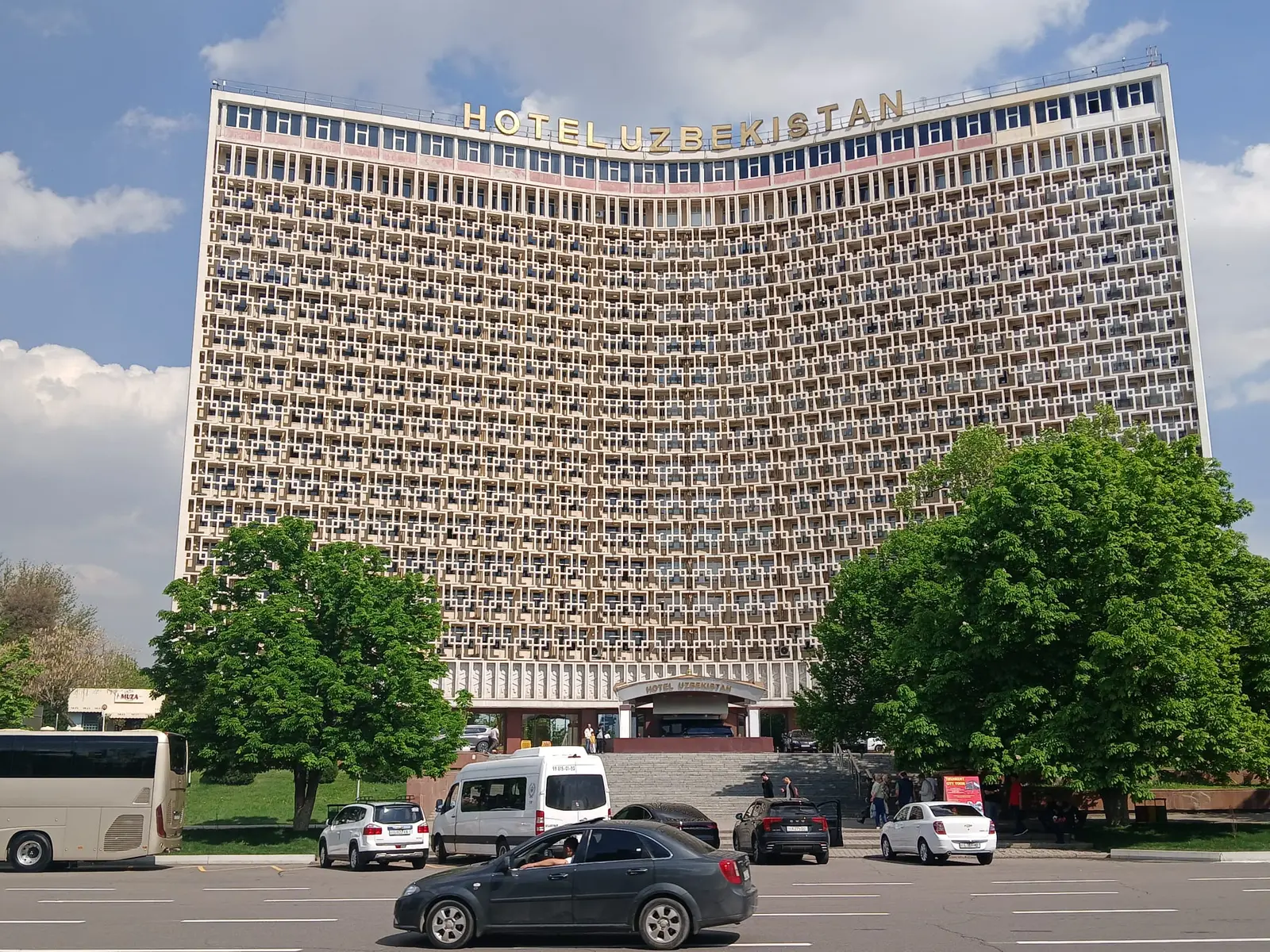
The serial property brings together ten buildings and complexes constructed between the 1960s and early 1990s. It includes museums, exhibition halls, hotels, housing ensembles, cultural institutions, and scientific and infrastructure facilities.
Nine components sit along the major urban axes of the reconstructed city centre. The tenth, the Grand Solar Furnace, is in Parkent district about 40 kilometres east of Tashkent.
Modernism adapted to place
UNESCO highlights how the ensemble combined industrial construction with earthquake-resistant engineering and adapted standardised systems to the region’s climate, materials and cultural traditions.
The inscription presents Tashkent modernism not simply as a remnant of the Soviet period, but as a distinct Central Asian architectural response to rebuilding a modern capital.