Five rock-cut mosques and their associated sacred landscapes on Kazakhstan’s Mangystau Peninsula have been inscribed on the UNESCO World Heritage List. The decision gives international status to one of Central Asia’s most distinctive spiritual landscapes.
Five sacred complexes
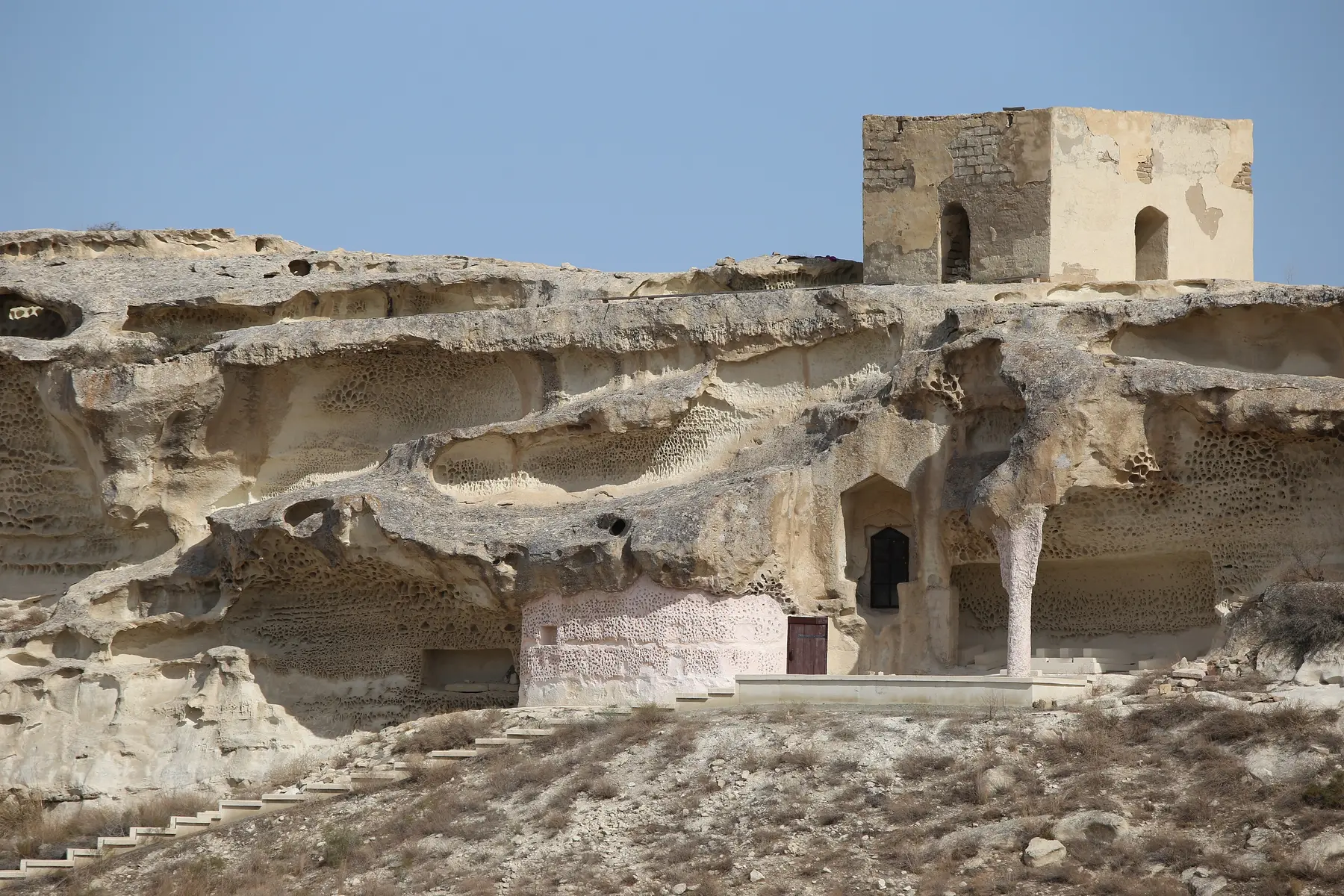
The serial property includes Beket-Ata, Shopan-Ata, Karaman-Ata, Shakpak-Ata and Sultan-Epe. Each is associated with a Sufi master, and the sites date from the 12th to the 18th centuries.
Known locally as underground mosques, the structures were created in natural caves, carved into steep rock or dug into the semi-desert ground. Their spaces include prayer halls, mihrabs, rooms for contemplation, saints’ tombs, courtyards, water sources, sacred trees and pilgrimage paths.
Where belief and landscape meet
UNESCO describes the sites as evidence of a culture in which Islamic Sufi spirituality continued and transformed older practices linked to ancestor veneration, sacred landscapes and the role of spiritual leaders.
The surrounding cemeteries span the 10th to the 20th centuries. Together, the five complexes have remained important pilgrimage destinations across Mangystau and the Ustyurt Plateau for centuries.