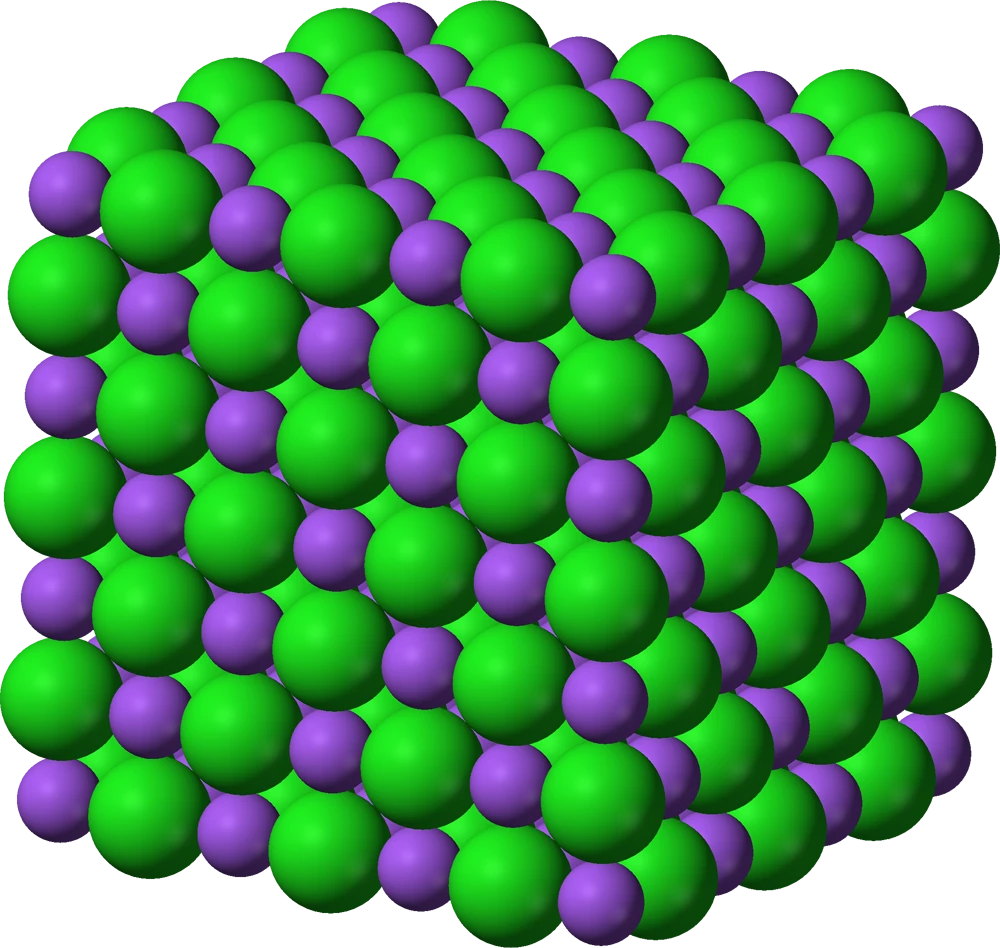
The MatBrain system considered 30,000 candidate crystal structures. Its developers combined two models: one plans the research, while the other works with computational tools.
Researchers at the Shenzhen Institutes of Advanced Technology, Chinese Academy of Sciences, presented MatBrain in Nature Machine Intelligence. The paper was published on September 10, followed by an academy announcement on September 14.
According to the authors, the system generated 30,000 candidate structures and selected 38 promising materials within 48 hours. These figures describe a research workflow, not 38 finished industrial products.
The work is divided between two models. Mat-R1 handles reasoning and planning, while Mat-T1 carries out tasks using scientific tools. They exchange results to refine the next step of the investigation.
The approach was tested on crystal-structure generation, property prediction and synthesis planning. The system can access databases and computational methods, connecting several stages of the search into a single sequence.
The authors see this architecture as a way to accelerate materials research. However, computational selection alone does not establish that every proposed material can be made and used in practice. Further experimental testing is needed.