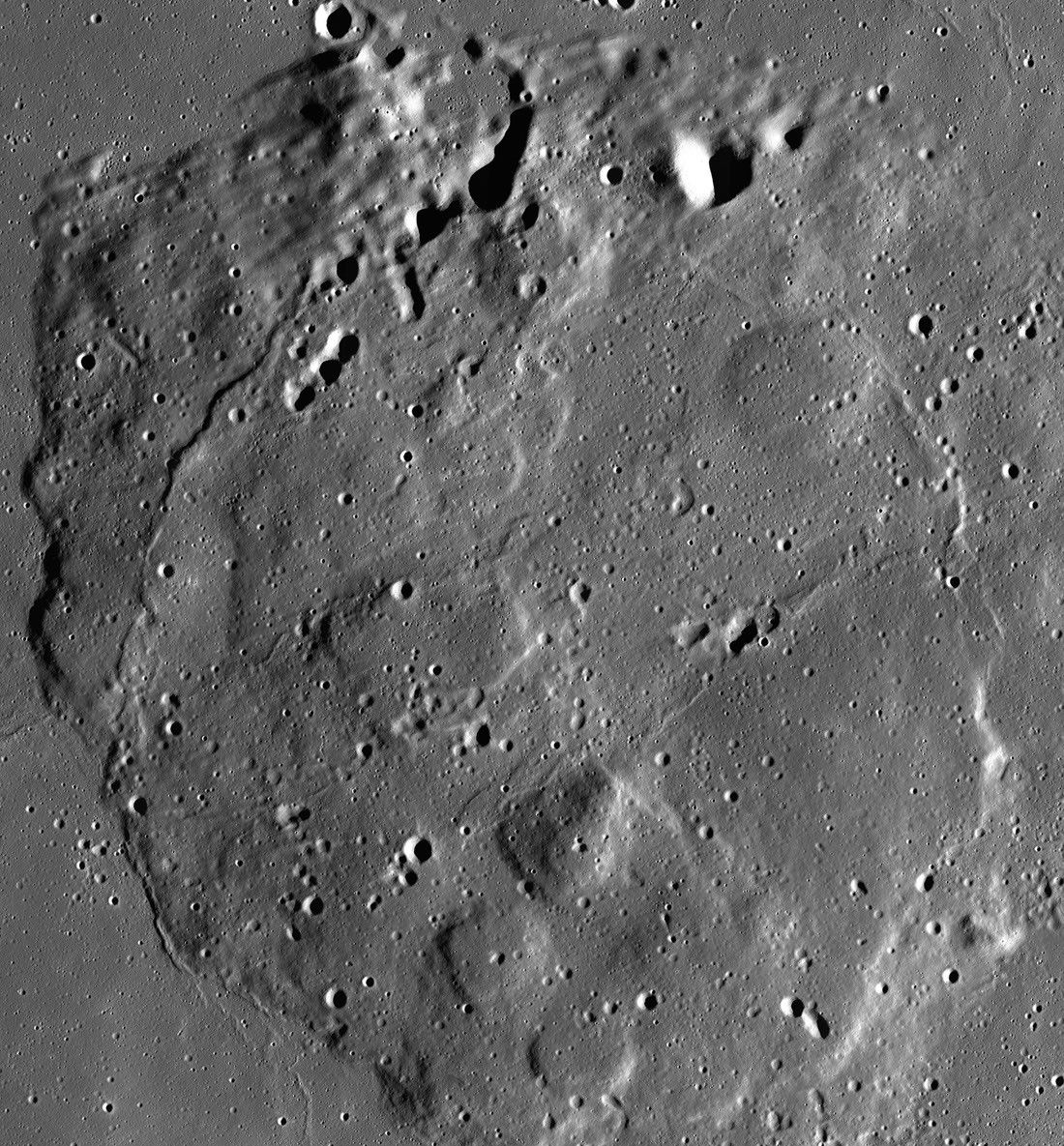
NASA and IBM have introduced an artificial intelligence model for working with lunar data. It helps map craters, recognise volcanic features and assess where ice could remain stable near the Moon’s poles.
About two million image patches
The NASA-IBM Lunar Foundation Model was announced on September 10. Its training was based on data from the Lunar Reconnaissance Orbiter, which has been studying the Moon since 2009. Developers used about two million image patches, alongside terrain data and material from other missions.
As a foundation model, it is first trained on a large body of data and can then be fine-tuned by researchers for individual tasks. This approach avoids building a new algorithm from scratch for every study.
What the predictions show
One application concerns polar ice. The model assesses conditions in which ice could remain stable on or beneath the surface. Such an estimate does not confirm the presence of deposits: the results require further scientific verification.
The model also recognises craters and surface changes. Comparisons between images must account for lighting, which affects how clearly small terrain features can be seen.
The model is available on Hugging Face, while code for fine-tuning and inference has been published on GitHub. Researchers can use these resources for their own tasks and compare the results with other algorithms.