Since September 1, 2026, ten small rural schools in the Pavlodar and Kyzylorda regions have been taking part in a pilot of an AI education platform. Teachers in Astana deliver lessons live, while local teachers support pupils in the classroom.
How the lessons work
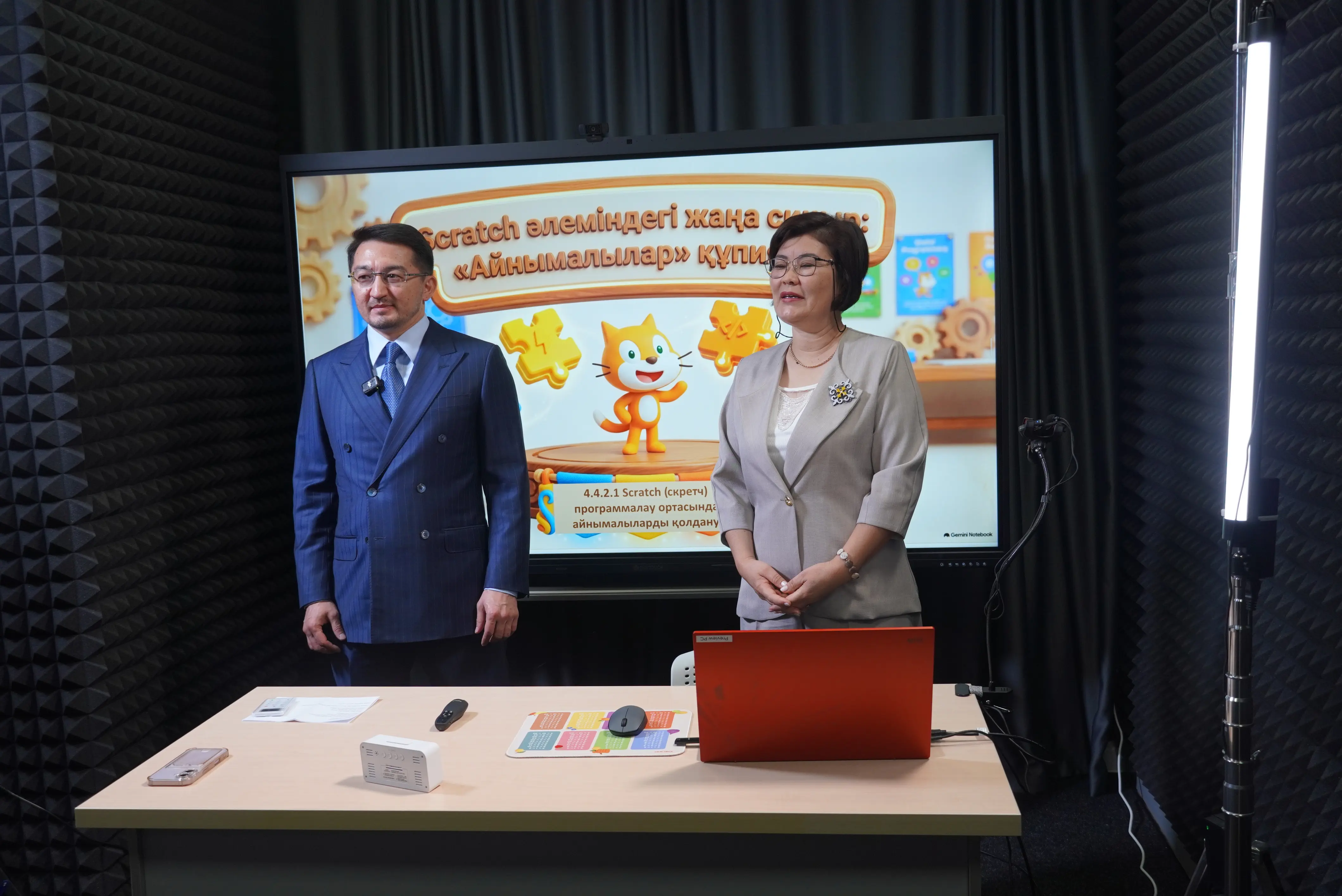
A studio for remote lessons has been set up at the Orleu National Centre for Professional Development. A teacher conducts a lesson live, pupils connect through the digital platform, and a teacher at the school supports them on site. The organisers describe this as a combination of online and offline teaching.
According to the ministry, the platform combines live teaching, educational content and artificial intelligence tools. The public announcement does not specify exactly what the AI does, which grades and subjects the pilot covers, or how many pupils are participating.
Training and objectives
From August 21 to 25, teachers completed a five-day ALFA Kazakhstan Teacher Training Camp in Astana. Kazakhstan's Ministry of Education is running the project with Q.AI and 01.AI.
The organisers aim to give rural pupils greater access to qualified teachers and reduce disparities in education quality between urban and small rural schools. For now, these are stated objectives. No data on the platform's effect on learning outcomes has yet been released.
What follows the pilot
After the trial, the platform is expected to be refined based on learning results and feedback from teachers and pupils. The project may then be extended to other regions and schools.
The timeline, future scale, budget and assessment criteria for the pilot have not been published. It would therefore be inaccurate to report that the platform has launched in all of Kazakhstan's rural schools. Participation is currently confirmed for only ten schools in two regions.