The six oval buildings of Hami’s new pterosaur museum resemble a clutch of eggs. Inside, fossil discoveries offer insights into the flying reptiles of the Cretaceous period.
The museum opened on September 13 in Hami, Xinjiang. It stands within a national geopark that combines fossil sites with wind-shaped desert landscapes.
The buildings cover roughly 8,000 square metres, including about 4,600 square metres of exhibition space. Seen from above, their six oval forms resemble a nest in the desert. Much of the museum is below ground.
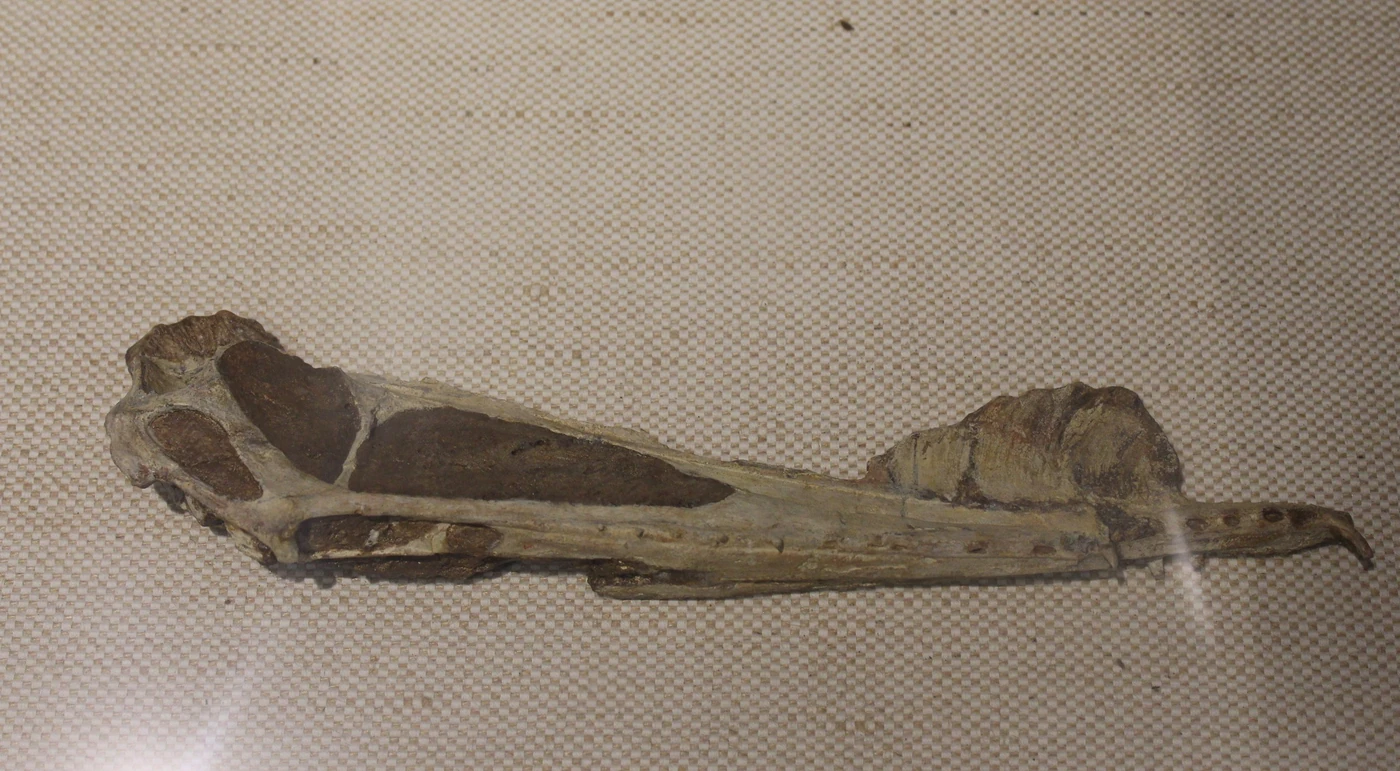
The displays include pterosaur eggs, embryos and skeletal remains. Specimens preserved in three dimensions are particularly valuable, giving researchers more anatomical information than flattened impressions.
The collection draws on more than two decades of Chinese palaeontologists’ work around Hami. The local fossils date to the Early Cretaceous, around 130 million years ago. Visitors can see reconstructions of the animals alongside original finds.
Pterosaurs were flying reptiles that lived alongside dinosaurs but belonged to a separate group. The museum presents their history in the region where important evidence of their lives has been discovered.